

Individual therapy in Utah
A confidential space that is just for you. Work one-on-one with a therapist to understand what you are carrying, build practical coping skills, and move toward the changes that matter to you.
- Licensed clinicians and supervised associates
- In person at five offices, or by telehealth anywhere in Utah
- Help choosing a therapist who fits your needs


What is individual therapy?
Individual therapy, often called talk therapy or counseling, is one-on-one time with a trained therapist. Together you look at the thoughts, feelings, and patterns behind what you are going through, and build skills to handle them in everyday life.
You don't need to be in crisis to start. People come to individual therapy for many reasons: persistent worry or low mood, a painful experience that still feels close, a relationship or family strain, a big decision, or a sense that life isn't working the way they want it to.
Sessions are a confidential conversation. Your therapist listens, asks questions, and helps you notice what keeps you stuck. Over time you practice new ways of thinking, responding, and taking care of yourself, at a pace that feels manageable.
Your first sessions are about getting to know you: what brings you in, your history, and what you hope will be different. From there, you and your therapist agree on goals and a plan that fits you.
What people bring to individual therapy
These are some of the most common reasons people reach out. You may recognize more than one, or something else entirely.
-
Anxiety and stress
Worry that is hard to switch off, panic, perfectionism, or feeling stretched too thin.
-
Depression and low mood
Feeling flat, hopeless, or tired for weeks, or losing interest in things you used to enjoy.
-
Trauma and painful experiences
Memories or experiences that still affect how you feel, sleep, or relate to others.
-
Self-worth and self-esteem
Harsh self-criticism, comparing yourself to others, or struggling to feel good enough.
-
Grief and loss
The death of someone you love, a divorce, or another loss that changed your life.
-
Life changes
A move, a new role, a career shift, a new baby, or an empty nest.
-
Relationships
Conflict, boundaries, codependency, dating struggles, or feeling alone in a relationship.
-
Faith and identity
Questions about faith, values, sexuality, or who you are becoming.
-
Habits that feel out of control
Compulsions, intrusive thoughts, substance use, or behaviors you want to change.

Building self-worth
Low self-esteem often sits underneath anxiety, depression, and relationship struggles. Therapy can help you treat yourself with more fairness and kindness.
Self-esteem shapes how you see yourself and how you move through the world. When it's low, it can show up as constant self-criticism, avoiding people or opportunities for fear of judgment, perfectionism, a negative body image, or trouble asking for what you need.
In therapy, you look at where those beliefs came from and how they play out today. You practice catching and questioning the harsh inner voice, setting boundaries, and setting goals that build confidence one step at a time.
Men's and women's mental health
Mental health struggles don't always look the way people expect. Your therapist will take your whole life into account.
For men
Many men are taught to provide, protect, and push through. Depression can look like irritability, anger, or numbness instead of sadness, and anxiety can hide behind overwork and control. Therapy offers a practical, direct place to talk about stress, relationships, and the pressure to be fine. Our team has written more about this in bringing men's mental health to the forefront.
For women
Women can face mental health concerns tied to hormonal changes, pregnancy and the postpartum period, caregiving, and pressure around appearance and roles. Many of our clinicians list women's health among their focus areas, and several work with pregnancy and postpartum concerns. Read more about depression, including postpartum depression.
What to expect
Starting therapy is easier when you know what's coming. Here's how it usually unfolds.
-
Step 1: Reach out
Request an appointment online, or call or text us. Share as much or as little as you like about what is going on, or ask for a specific therapist.
-
Step 2: Find the right fit
Our scheduling team looks at your needs, location, schedule, and insurance, then suggests therapists who are a good match.
-
Step 3: Get to know each other
Your first sessions focus on your story, your strengths, and what you want to change. Together you set goals that feel right.
-
Step 4: Work toward change
Sessions build skills and insight you can use between appointments. As things improve, you can meet less often.
Not sure where to start? Call or text (801) 738-4653 in Northern Utah or (435) 599-8003 in Southern Utah and we'll talk it through.
How our therapists work
Your therapist draws on research-informed approaches and tailors them to you. Methods our clinicians list include:
-
Accelerated Resolution Therapy (ART)
Uses guided eye movements and imagery to help you work with distressing memories and the reactions tied to them.
-
EMDR
Pairs attention to distressing memories with guided eye movements or other bilateral stimulation to reduce their emotional impact.
-
Dialectical Behavior Therapy (DBT)
Combines acceptance and change, with skills for mindfulness, managing emotions, tolerating distress, and communicating.
-
Cognitive Behavioral Therapy (CBT)
Explores how thoughts, feelings, and behaviors influence one another, then helps you practice more useful ways of responding.
-
Acceptance and Commitment Therapy (ACT)
Helps you make room for difficult thoughts and feelings while taking practical steps guided by your values.
-
Solution-Focused Therapy
Focuses on your strengths, resources, and preferred future to find practical, achievable next steps.
Does individual therapy work?
For most people, yes. Psychotherapy has been studied for decades, and reviews of that research consistently find that it helps with a wide range of concerns, including depression and anxiety, and that its benefits often last after therapy ends.1
One of the strongest predictors of progress is the relationship between you and your therapist.2 That's why our scheduling team takes care with matching, and why it's always okay to ask for a different fit.
- 1. American Psychological Association. (2012). Recognition of psychotherapy effectiveness (APA resolution).
- 2. Flückiger, C., Del Re, A. C., Wampold, B. E., & Horvath, A. O. (2018). The alliance in adult psychotherapy: A meta-analytic synthesis. Psychotherapy, 55(4), 316–340.
What progress can look like
- Understanding your patterns and where they come from
- Calmer reactions to stress
- Kinder, more realistic self-talk
- Healthier boundaries and relationships
- A plan for the hard days
Meet some of our therapists
Our clinicians work with teens and adults on a wide range of concerns. Here are a few of them.
-
-

Alex Russell
CMHC · Clinical Mental Health Counselor
- Cedar City
- Telehealth in Utah
- Anxiety
- OCD
- Trauma and attachment
-

Alex Sotelo
CMHCi · Clinical Mental Health Counselor Intern
- Draper
- Telehealth in Utah
- Addictions
- Anxiety
- Depression
-
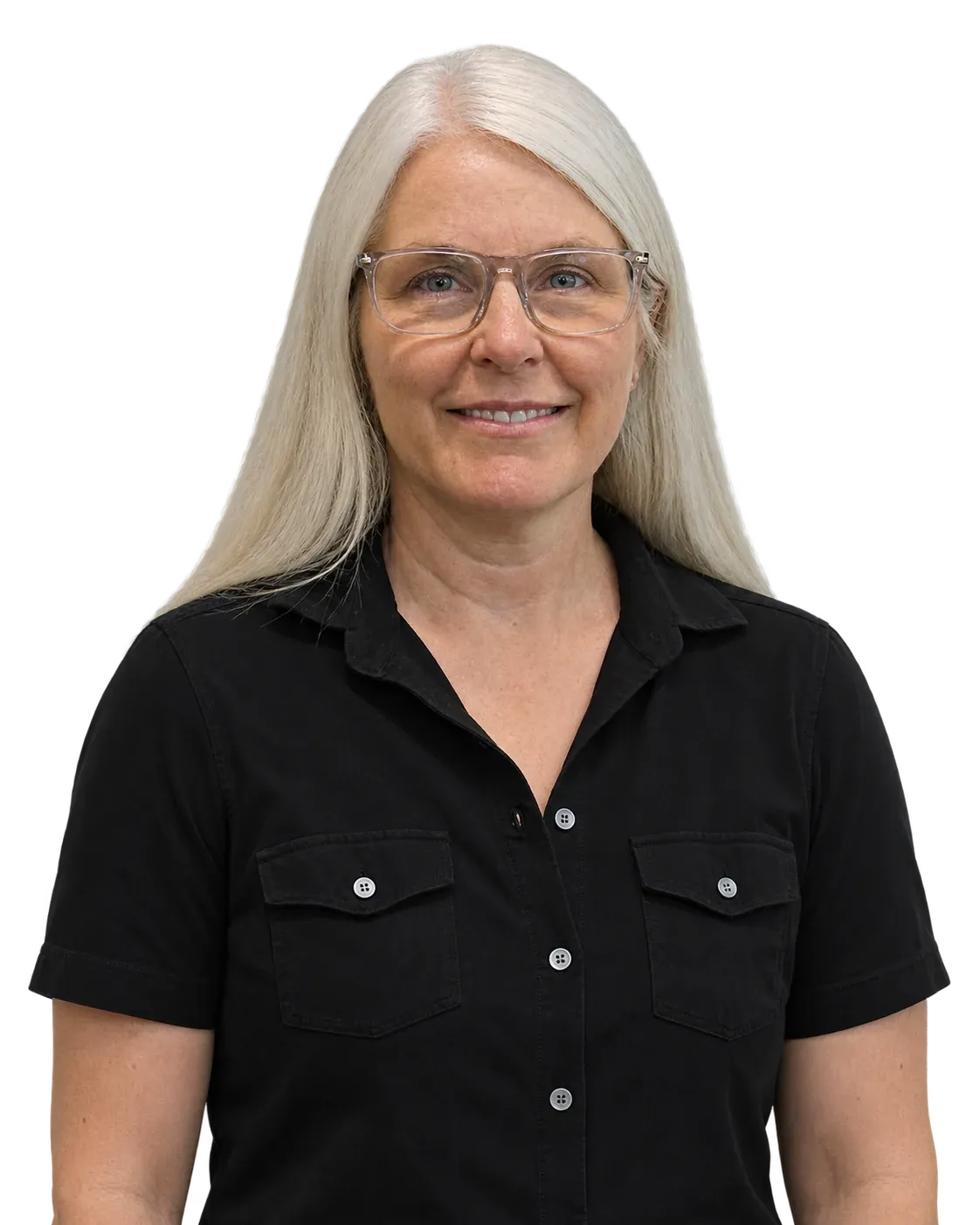
Angie Johnson
MFTi · Marriage and Family Therapist Intern
- Draper
- Telehealth in Utah
- Anxiety
- ADHD
- Attachment
-

Bethany Monroe
CSW · Certified Social Worker
- Kaysville
- Telehealth in Utah
- Anxiety
- Depression
- Perfectionism
-

Braiden Hustead
CMHCi · Clinical Mental Health Counselor Intern
- St. George
- Telehealth in Utah
- Anxiety
- ADHD
- Autism & Neurodiversity
-

Carey E. Gold
MBA, ACMHC · Associate Clinical Mental Health Counselor
- St. George & South Ogden
- Telehealth in Utah
- Addictions
- Anxiety
- Career transitions
-

Carlee Wallace
LMFT · Licensed Marriage and Family Therapist
- Telehealth only
- Abuse recovery
- Addictions
- Anxiety
Individual therapy near you
Meet in person at one of our five Utah offices, or by secure video from home, work, or anywhere else in Utah. Many people use a mix of both.
-
Kaysville
498 N Kays Dr, Suite 210
(801) 738-4653
Kaysville, UT 84037 -
South Ogden
5730 S 1475 E, Suite 101
(801) 738-4653
South Ogden, UT 84403 -
Draper
121 W Election Rd, Suite 110
(801) 738-4653
Draper, UT 84020 -
St. George
1173 S 250 W, Building 2, Suite 501
(435) 599-8003
St. George, UT 84770 -
Cedar City
427 S Main St, Suite 302
(435) 599-8003
Cedar City, UT 84720 -
Telehealth
Secure video sessions anywhere in Utah.
Does insurance cover individual therapy?
Many health plans cover individual therapy as an outpatient mental health benefit, but coverage depends on your plan and your therapist. Our team can help you check your benefits before your first session.
What to ask your insurer
- Do I have outpatient mental health benefits, and is this therapist in-network?
- What's my copay or coinsurance, and have I met my deductible?
- Are telehealth sessions covered the same way as in-person visits?
- Do I need a referral or pre-authorization first?
Individual therapy questions
Have a question that isn't here? Call or text us at
(801) 738-4653 in Northern Utah or (435) 599-8003 in Southern Utah.
How do I know if I need therapy?
If something has been weighing on you for a while, affecting your sleep, work, relationships, or how you feel about yourself, therapy can help. You don't need a diagnosis or a crisis to start. Many people come in simply because they want life to work better.
What happens in the first session?
Your therapist will ask about what brings you in, your history, and what you hope will change. It is also a chance for you to ask questions and get a feel for whether the therapist is a good fit. You only share what you are ready to share.
How long does individual therapy take?
It depends on your goals. Some people come for a few months to work on one concern; others stay longer to work on deeper patterns. Your therapist will check in with you about progress and when to space sessions out.
Can I choose my therapist?
Yes. You can ask for a specific therapist when you request an appointment, or let our scheduling team suggest therapists based on your needs, location, schedule, and insurance. Browse our therapists.
What if my therapist isn't the right fit?
That happens, and it's okay to say so. Let your therapist or our scheduling team know, and we'll help you find someone who fits better.
Do you offer individual therapy by telehealth?
Yes. Our therapists offer secure video sessions to clients anywhere in Utah. Learn how telehealth works.
Is what I share confidential?
Yes, within the limits of the law. What you share stays between you and your therapist, except where the law requires otherwise, such as when someone's safety is at risk. Your therapist will explain this at your first session.
Do you see teenagers for individual therapy?
Yes. Many of our therapists work with teens, and some see younger children. Learn more about child and adolescent therapy.
Keep exploring
Related services
Communication and connection
Loss, change, new seasons
Therapist-led groups
Related concerns
Worry, panic, stress, and perfectionism
Low mood, seasonal and postpartum depression
Difficult experiences that still feel present
Intrusive thoughts, compulsions, and moral OCD
Attention, focus, and follow-through
Your relationship with food and your body
Faith, religious concerns, and faith transitions
Addiction & Compulsive Behaviors
Substance use, pornography, and other compulsions
Take the first step for you
You don't need the perfect words to start. Request an appointment and our scheduling team will help you find a therapist, check availability, and talk through insurance.
Call or text Northern Utah (801) 738-4653 Southern Utah (435) 599-8003