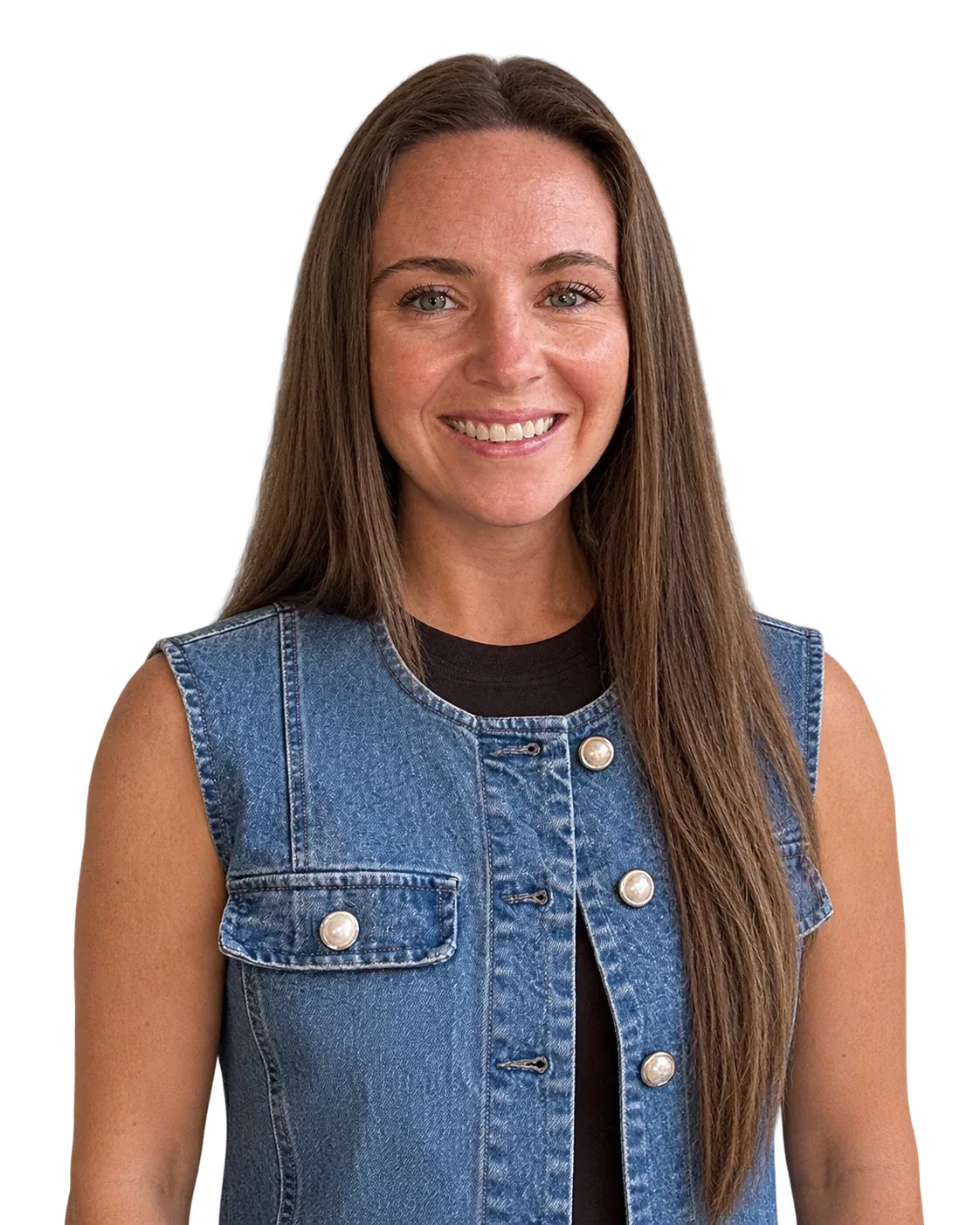
Debra Tomlinson
CSW · Certified Social Worker
- St. George
- Telehealth in Utah
- Addictions
- Anxiety
- Depression

When your relationship with food, your body, or your self-worth needs more understanding and care. Therapy gives you a shame-free place to look at what food and body worries are doing for you, and what might help instead.


Disordered eating describes a troubled relationship with food, eating, or your body, from rigid food rules and constant dieting to binge eating, purging, or severe restriction. Eating disorders such as anorexia, bulimia, binge eating disorder, and ARFID are serious health conditions, and recovery is possible with the right support.
Eating disorders affect people of every age, gender, size, and background. You can’t tell by looking at someone whether they are struggling, and you don’t need to be underweight or “sick enough” to deserve help.
Food and body worries often grow out of something else: anxiety, perfectionism, trauma, a need for control, or years of messages about how bodies should look. Therapy looks at both the eating behaviors and what sits underneath them.
Because eating disorders can affect the heart, bones, hormones, and more, please see a doctor alongside therapy. Many people also work with a registered dietitian. If someone needs more support than weekly outpatient therapy, such as an intensive outpatient, day, or residential program, their therapist will talk with them about options.
Strict lists of “good” and “bad” foods, or anxiety when plans or meals change.
Skipping meals, cutting out whole food groups, or eating far less than your body needs.
Eating large amounts with a sense of losing control, often followed by shame.
Vomiting, laxatives, or exercising to “make up for” eating.
Weighing, measuring, mirror checking, or comparing your body to others again and again.
Making excuses to skip meals with family or friends, or eating in secret.
Your mood and sense of value rising and falling with a number or how you look.
Hiding food, behaviors, or feelings from the people closest to you.
Dizziness, fatigue, feeling cold, or missed periods. Please see a doctor.

Body dysmorphic disorder (BDD) is a preoccupation with one or more perceived flaws in appearance that others don’t notice or see as minor. People with BDD may spend hours checking mirrors, comparing, grooming, covering up, or seeking reassurance, and may avoid photos, school, work, or dating. Some focus on muscle size or build, which is sometimes called muscle dysmorphia.
BDD is related to obsessive-compulsive disorder, and it often comes with anxiety, depression, or eating concerns. Cognitive behavioral therapy, including gradually facing triggers while resisting checking and reassurance, is the most studied approach. You may also find our page on OCD helpful.
For many people, the work is less about learning to love every part of your body and more about getting your time, energy, and life back from the worry.
Jumping from diet to diet, labeling foods as good or bad, and tying worth to size can wear down your health and confidence over time. Pressure can also come from family, sports, social media, or a culture that prizes thinness, and some people carry the weight of cultural or family messages about bodies for years.
Therapy helps you notice where those rules came from, question the ones that hurt you, and build a steadier relationship with food and your body. Our team has written about stepping away from diet culture.

If you’re worried about your teen, start with a doctor’s visit, stay calm and curious rather than focusing on weight or food, and get support for yourself too. Family involvement is a key part of treatment for many young people with eating disorders.
Eating disorders also affect couples, through secrecy, strain around meals, and changes in intimacy. Our team has written about how eating disorders show up in relationships.
Request an appointment, or call or text us. Share as much as you’re comfortable with, or ask for a specific therapist.
Our scheduling team suggests therapists who list eating or body image concerns among their focus areas and fit your schedule and insurance.
Early sessions focus on your story, your health, and your goals. Your therapist will ask about medical care and who else is on your team.
Together you work on eating patterns, body image, and the feelings underneath, at a pace that keeps you safe.
Not sure where to start? Call or text (801) 738-4653 in Northern Utah or (435) 599-8003 in Southern Utah and we'll talk it through.
Helps you understand the cycle between thoughts, feelings, and eating behaviors, and practice new ways of responding.
Skills for riding out urges, tolerating distress, and managing emotions without turning to food or restriction.
Gradually facing feared foods or body triggers while reducing checking and reassurance-seeking, at a pace you agree on.
Helps you make room for difficult thoughts about food and your body while acting on what matters to you.
Works with shame and self-criticism to build a kinder, more supportive way of relating to yourself.
Can help when painful experiences are tied up with eating or body image, by reducing the emotional charge of those memories.
Eating disorders are among the most serious mental health conditions, with higher death rates than many others, especially anorexia.1 That isn’t meant to frighten you. It’s why getting support sooner matters.
Effective treatment exists. Clinical guidelines recommend eating-disorder-focused psychological therapy, with family involvement for young people.2 For body dysmorphia, cognitive behavioral therapy has strong support.3
CSW · Certified Social Worker
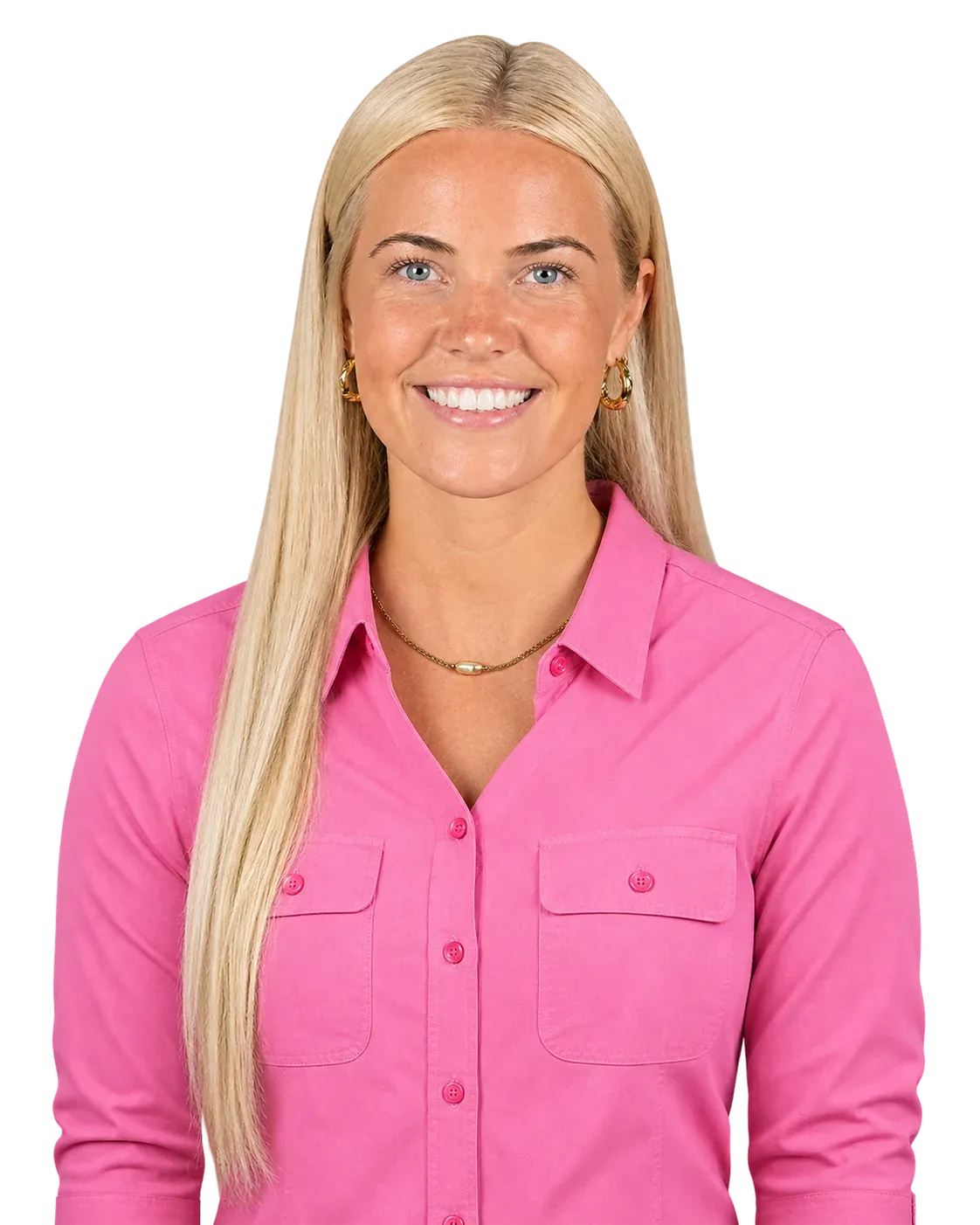
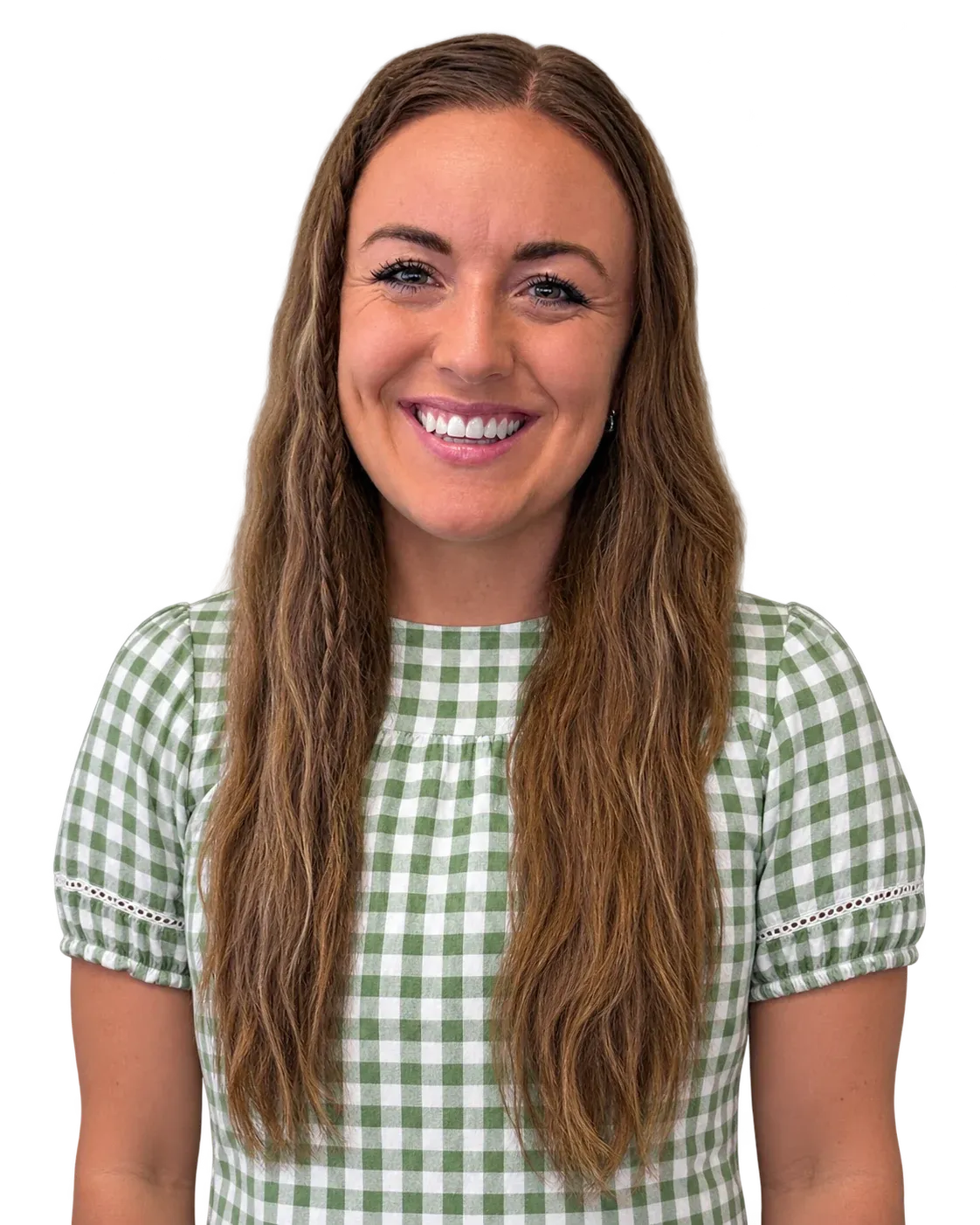
LCSW · Licensed Clinical Social Worker
498 N Kays Dr, Suite 210
Kaysville, UT 84037
5730 S 1475 E, Suite 101
South Ogden, UT 84403
121 W Election Rd, Suite 110
Draper, UT 84020
1173 S 250 W, Building 2, Suite 501
St. George, UT 84770
427 S Main St, Suite 302
Cedar City, UT 84720
Secure video sessions anywhere in Utah.
No. Eating disorders happen in bodies of every size, and many people with serious eating disorders are at an average or higher weight. If food or your body is taking over your thoughts or your life, it’s worth getting help.
Disordered eating is a broad term for unhealthy patterns like rigid rules, chronic dieting, or occasional bingeing. An eating disorder is a diagnosable condition, such as anorexia, bulimia, binge eating disorder, or ARFID. Both deserve care, and therapy can help before things get worse.
Body dysmorphic disorder is a preoccupation with perceived flaws in your appearance that others don’t see or see as minor, usually with repeated checking, comparing, or hiding. It’s more than low self-esteem, and it responds to treatment.
Gold Counseling provides outpatient therapy. Some people need a higher level of care for a time, such as an intensive outpatient, day, or residential program. If that might be the case, your therapist will talk with you about it.
Yes, please. Eating disorders can affect your heart, bones, and hormones even when you feel fine. Many people also work with a registered dietitian. Let your therapist know who else is part of your care.
Yes. Men and boys are often overlooked. They may focus on muscle size, leanness, or “clean” eating, and can feel extra shame about asking for help.
Stay calm, express care rather than criticism, and avoid commenting on weight or food. Schedule a medical checkup and reach out for therapy. Parents are an important part of recovery for teens, so get support for yourself too.
Often, yes. We offer secure video sessions anywhere in Utah. Your therapist will talk with you about whether in-person sessions or a mix would be safer or more helpful. How telehealth works.
If you or someone else is in medical danger, such as fainting, chest pain, or confusion, call 911 or go to the nearest emergency room. For thoughts of suicide or a mental health crisis, call or text 988.
One-on-one support
Kids, teens, and parents
Therapist-led groups
Intrusive thoughts, compulsions, and moral OCD
Difficult experiences that still feel present
Dialectical Behavior Therapy (DBT)
Dialectical Behavior Therapy
You don’t need to be “sick enough” to reach out. Request an appointment and our scheduling team will help you find a therapist, check availability, and talk through insurance.
Call or text Northern Utah (801) 738-4653 Southern Utah (435) 599-8003