

Life transitions therapy in Utah
Support through loss, career shifts, changing roles, life dissatisfaction, disappointment, and other turning points, with space to find steadiness and consider what comes next.
- Help with expected changes and the ones that catch you off guard
- In person at five offices, or by telehealth anywhere in Utah
- Evening and Saturday hours at select offices


What is life transitions therapy?
Life transitions therapy is counseling for times of change. A therapist helps you work through the feelings a change brings up, adjust to new roles and routines, and make decisions about what comes next.
Some changes are planned and even welcome: a new job, a move, a wedding, a baby, retirement. Others arrive without warning: a death, a divorce, a diagnosis, a layoff. Either way, change can shake your sense of who you are and how your days fit together.
It's common to feel more than one thing at once. Relief and grief. Excitement and fear. Gratitude and loneliness. Therapy gives you room to sort through those feelings without having to tidy them up first.
You don't need to be in crisis to come in. Many people reach out because a change has left them unsettled, stuck between what was and what's next, or unsure how to make a big decision.
Changes we help people through
Every transition is personal. These are some of the changes that bring people to therapy.
-
Grief and loss
The death of someone you love, a pregnancy loss, or a loss that others may not see.
-
Divorce and separation
Ending a relationship, co-parenting across two homes, or starting over.
-
Career and school changes
A new job, a layoff, a career change, graduation, or choosing a path.
-
New parenthood
Pregnancy, a new baby, adoption, and the identity shifts that come with them.
-
Empty nest
Children leaving home and the quiet, freedom, or loss that can follow.
-
Moves and new places
Relocating for work, school, or family, and building a new community.
-
Retirement and later life
New routines, health changes, caregiving, and finding purpose.
-
Faith transitions
Changes in belief or religious practice, and how they affect family and identity.
-
Health changes
A new diagnosis, an injury, or chronic illness in you or someone you love.

Grief and loss
Grief doesn't follow a schedule. Therapy can help you carry a loss while you find your way forward.
Grief can show up as sadness, but also as anger, guilt, numbness, trouble sleeping, or a sense that the world has moved on without you. It can follow a death, and it can also follow a divorce, an estrangement, a move, or the loss of a role or a dream.
In therapy, you can talk about the person or the life you miss, make sense of hard feelings, and find ways to stay connected to what mattered while you adjust. If a loss was sudden or traumatic, your therapist may use approaches that help with distressing memories.
For most people, the pain of grief softens over time. When it stays intense for a long time and makes daily life very hard, that's a good reason to reach out.

Mental health in later life
Retirement, health changes, and loss can arrive close together. Support can make this season feel steadier.
Later life brings real changes: leaving a career, shifting roles in the family, caring for a spouse or parent, losing friends, and adjusting to changes in health or independence. It's normal for these to stir up worry, loneliness, or low mood.
Depression and anxiety are not a normal part of growing older, and they're treatable at any age. In older adults they can look different, showing up as tiredness, irritability, poor sleep, physical aches, or pulling away from people and activities.
Therapy offers a place to grieve what has changed, rebuild routines and connection, talk through caregiving stress, and find new sources of purpose. Some of our clinicians list later-life concerns among their focus areas, and you can meet by telehealth if getting to an office is hard.
Our team has written more about this in mental health after 50.
Career and school concerns
Work and school shape your days, your identity, and your stress. Therapy can help when they feel overwhelming.
People come to therapy for career and school concerns like burnout, a job loss, a difficult workplace, the pressure of a big decision, returning to work after time away, or the transition from school to adult life. Students may bring stress about grades, performance, or what comes after graduation.
In therapy, you can look at what matters most to you, sort through the fears or doubts that make a decision hard, manage the stress of the change, and plan practical next steps. Several of our clinicians list career and school concerns among their focus areas.
Therapy or life coaching?
Many people searching for a life coach are looking for direction during a time of change. Here is how therapy compares.
Life coaching usually focuses on goals and action plans. Therapy can work on those same goals: finding direction, building confidence, making a decision, or setting up new habits. It also makes room for what can get in the way, like anxiety, depression, grief, or old patterns that keep repeating.
At Gold Counseling, you work with a licensed clinician or a supervised associate who is trained to help with both the practical side of change and the emotional side. If you are not sure whether therapy is what you need, call or text us and we will talk it through.
- Getting clear on what you want next
- Making a hard decision with less second-guessing
- Rebuilding confidence after a setback
- Creating routines that fit a new season
- Handling the stress, grief, or worry that change brings
- Breaking patterns that keep you stuck
What to expect
Therapy during a transition is a collaboration. Here is how it usually unfolds.
-
Step 1: Reach out
Request an appointment online, or call or text us. Tell us a little about the change you are going through, or ask for a specific therapist.
-
Step 2: Find the right fit
Our scheduling team looks at your needs, location, schedule, and insurance, then suggests therapists who are a good match.
-
Step 3: Make sense of the change
Early sessions focus on what has shifted, what it means to you, and what you want support with. Together you set goals.
-
Step 4: Find your footing
You build coping skills, work through hard feelings, and plan next steps. As things settle, sessions can space out.
Not sure where to start? Call or text (801) 738-4653 in Northern Utah or (435) 599-8003 in Southern Utah and we'll talk it through.
How our therapists work
Your therapist tailors research-informed approaches to you and the change you are facing. Approaches our team uses include:
-
Solution-Focused Brief Therapy (SFBT)
Focuses on your strengths, existing resources, and preferred future to identify practical, achievable steps toward the changes you want.
-
Acceptance and Commitment Therapy (ACT)
Helps you make room for difficult thoughts and feelings while taking practical steps guided by your values and what matters most.
-
Cognitive Behavioral Therapy (CBT)
Explores how thoughts, feelings, and behaviors influence one another, then helps you practice more useful ways of responding to challenges.
-
Narrative Therapy
Explores the stories you hold about yourself and your relationships, and makes room for strengths, values, and new possibilities.
-
Accelerated Resolution Therapy (ART)
Uses guided eye movements and imagery to help you work with distressing memories, such as a sudden or traumatic loss.
-
Mindfulness-based interventions
Build present-moment awareness, supporting a less reactive relationship with thoughts and feelings during uncertain times.
Therapists for life transitions
These clinicians list life transitions, grief and loss, career and school concerns, divorce, or later-life concerns among their focus areas.
-
-

Alex Russell
CMHC · Clinical Mental Health Counselor
- Cedar City
- Telehealth in Utah
- Anxiety
- OCD
- Trauma and attachment
-

Alex Sotelo
CMHCi · Clinical Mental Health Counselor Intern
- Draper
- Telehealth in Utah
- Addictions
- Anxiety
- Depression
-
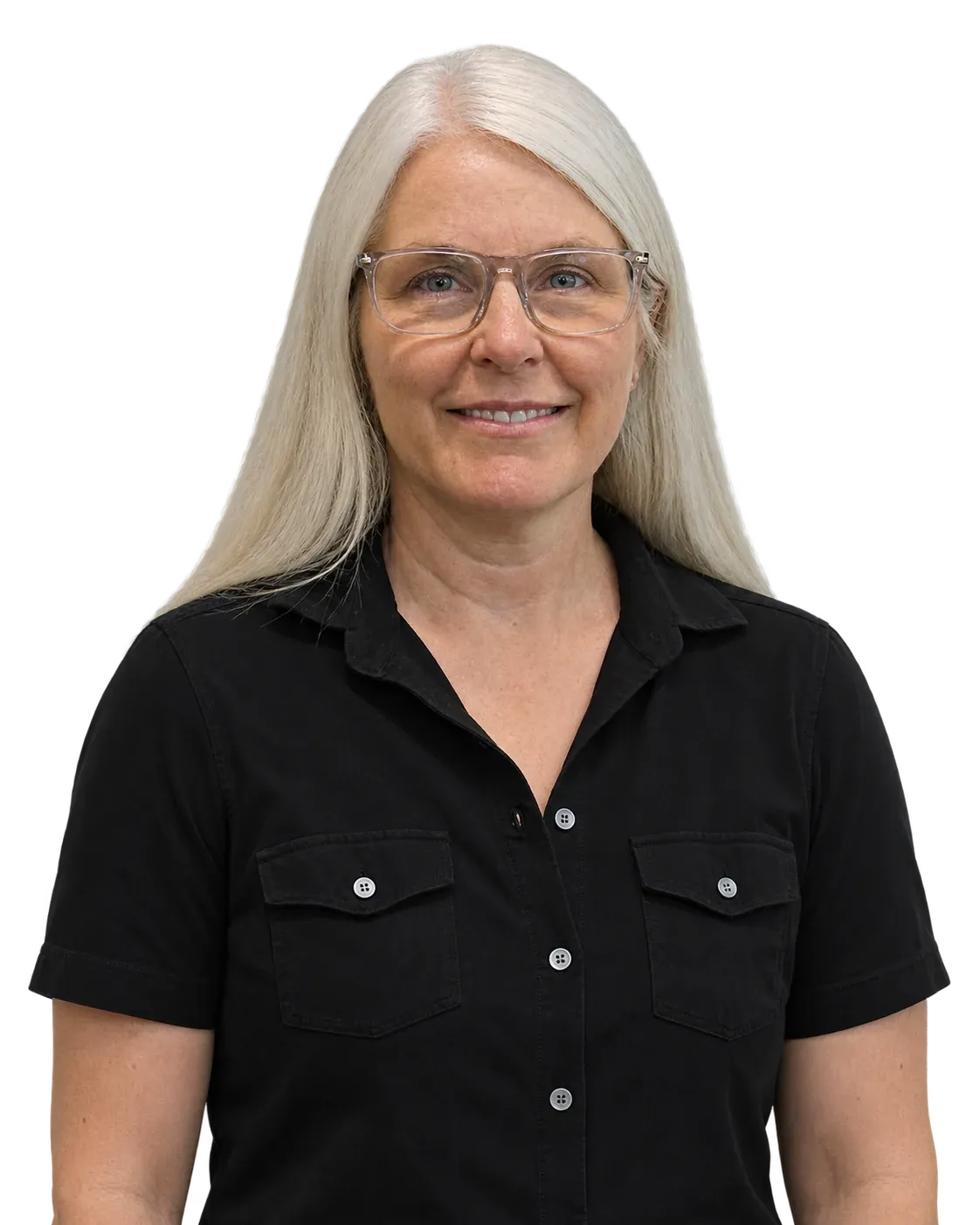
Angie Johnson
MFTi · Marriage and Family Therapist Intern
- Draper
- Telehealth in Utah
- Anxiety
- ADHD
- Attachment
-

Bethany Monroe
CSW · Certified Social Worker
- Kaysville
- Telehealth in Utah
- Anxiety
- Depression
- Perfectionism
-

Braiden Hustead
CMHCi · Clinical Mental Health Counselor Intern
- St. George
- Telehealth in Utah
- Anxiety
- ADHD
- Autism & Neurodiversity
-

Carey E. Gold
MBA, ACMHC · Associate Clinical Mental Health Counselor
- St. George & South Ogden
- Telehealth in Utah
- Addictions
- Anxiety
- Career transitions
-

Carlee Wallace
LMFT · Licensed Marriage and Family Therapist
- Telehealth only
- Abuse recovery
- Addictions
- Anxiety
Life transitions therapy near you
Meet in person at one of our five Utah offices, or by secure video from home or anywhere else in Utah. Telehealth can help when a move, a new baby, or a health change makes travel hard.
-
Kaysville
498 N Kays Dr, Suite 210
(801) 738-4653
Kaysville, UT 84037 -
South Ogden
5730 S 1475 E, Suite 101
(801) 738-4653
South Ogden, UT 84403 -
Draper
121 W Election Rd, Suite 110
(801) 738-4653
Draper, UT 84020 -
St. George
1173 S 250 W, Building 2, Suite 501
(435) 599-8003
St. George, UT 84770 -
Cedar City
427 S Main St, Suite 302
(435) 599-8003
Cedar City, UT 84720 -
Telehealth
Secure video sessions anywhere in Utah.
Does insurance cover therapy for life transitions?
Many health plans cover therapy as an outpatient mental health benefit, but coverage depends on your plan and your therapist. Our team can help you check your benefits before your first session.
What to ask your insurer
- Do I have outpatient mental health benefits, and is this therapist in-network?
- What's my copay or coinsurance, and have I met my deductible?
- Are telehealth sessions covered the same way as in-person visits?
- Do I need a referral or pre-authorization first?
Life transitions questions
Have a question that isn't here? Call or text us at
(801) 738-4653 in Northern Utah or (435) 599-8003 in Southern Utah.
What counts as a life transition?
Any change that shifts your routines, relationships, or sense of who you are. That includes losses like a death or divorce, and changes many people look forward to, like a new job, a move, a baby, or retirement.
Can therapy help even if the change is a good one?
Yes. Happy changes still bring stress, mixed feelings, and new demands. Therapy can help you adjust, make room for what you're leaving behind, and enjoy what's ahead.
How is life transitions therapy different from grief counseling?
Grief is one of the most common reasons people come in, and it is often part of other transitions too. Life transitions therapy covers grief and also changes like career shifts, moves, new parenthood, empty nest, and retirement.
How long will I need therapy?
It depends on what you are going through and what you want to work on. Some people come for a few months while a change settles; others stay longer. Your therapist will check in with you about progress and when to space sessions out.
Is therapy the same as life coaching?
Not quite. Life coaching usually focuses on goals and action plans. Therapy can help with those same goals and also with anxiety, depression, grief, or patterns that make change harder. At Gold Counseling, you work with a licensed clinician or a supervised associate.
Do you help with career decisions?
Therapy can help with the stress, doubt, and decision-making that come with a career or school change, and several of our clinicians list career and school concerns among their focus areas. Therapy focuses on you and your well-being rather than job placement or resume services.
Do you work with older adults?
Yes. Our clinicians work with adults of all ages, and some list later-life concerns among their focus areas. Secure telehealth is available anywhere in Utah if getting to an office is difficult.
Can I come with my spouse or family?
Yes. Some transitions affect a whole household. You might also consider couples therapy or family therapy, alone or alongside individual sessions. Our scheduling team can help you decide.
Do you offer telehealth?
Yes. Our therapists offer secure video sessions to clients anywhere in Utah. Learn how telehealth works.
Keep exploring
Related services
One-on-one support
Understanding each other
Therapist-led groups
Related concerns
Low mood, seasonal and postpartum depression
Worry, panic, stress, and perfectionism
Find steadier ground
You don't have to figure out the next chapter alone. Request an appointment and our scheduling team will help you find a therapist, check availability, and talk through insurance.
Call or text Northern Utah (801) 738-4653 Southern Utah (435) 599-8003