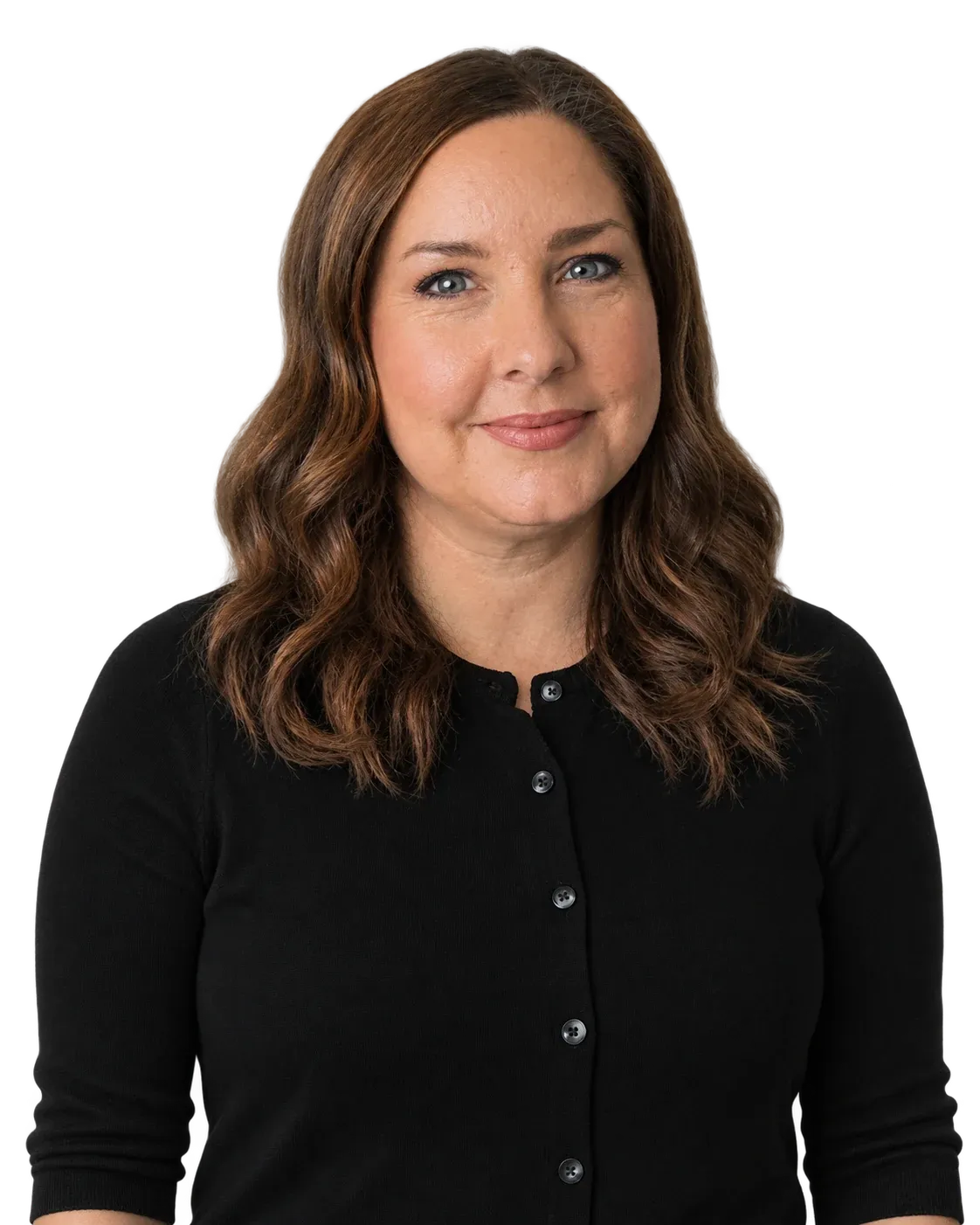
Bethany Monroe
CSW · Certified Social Worker
- Kaysville
- Telehealth in Utah
- Anxiety
- Depression
- Perfectionism

For many people, faith is part of how they make sense of life, including the hard parts. Our licensed therapists make room for your beliefs, your questions, and your doubts, whatever your faith tradition, or none.


Faith-sensitive therapy is counseling with a licensed therapist that treats your spiritual life as an important part of who you are. Your therapist won’t tell you what to believe. They help you work through what you’re facing in a way that fits your values, whether faith is a source of strength, a source of pain, or both.
In Utah, faith is woven into many people’s families, friendships, and sense of identity. That can be a deep source of support. It can also make some struggles harder to talk about, like doubts, shame, or changes in belief that feel risky to share.
You can bring your whole self to therapy. Some clients want their beliefs, values, and faith practices to be an active part of how they heal. Others want space to question, grieve, or recover from harm. Your therapist follows your lead and doesn’t impose their own beliefs.
Gold Counseling isn’t a spiritual healing center, and our clinicians aren’t spiritual healers or advisors. We’re licensed mental health professionals. What we offer is counseling that respects the spiritual side of life and helps with the anxiety, depression, grief, and relationship strain that often travel with spiritual struggles.
Wanting your beliefs and values to be part of how you work through anxiety, depression, or loss.
Questions that feel unsettling, lonely, or hard to say out loud.
Changing, leaving, or returning to a faith, and what that means for your identity and relationships.
Fear, shame, or harm connected to religious teaching, leaders, or communities.
Constant worry about sin, worthiness, or doing something morally wrong, sometimes called moral or religious OCD.
Loving a partner or family member whose beliefs differ from yours, or have changed.
Tension between parents and children, or across generations, about faith and choices.
Holding sexuality or gender identity and faith together, or making peace with where you’ve landed.
Loss, suffering, or big questions about purpose that don’t have easy answers.

Some people are working to strengthen a faith that feels shaken. Others are stepping away from beliefs they grew up with, or finding a new way to hold them. Many are somewhere in between. Each path can bring grief, fear, relief, and loneliness, sometimes all at once.
Your therapist won’t steer you toward staying or leaving. Therapy gives you room to sort through what you believe now, how to talk with the people you love, and how to build a life that feels honest and connected.

It can come from fear-based teaching, spiritual or emotional abuse, harsh judgment about your body or sexuality, or being shamed or cast out by a community you trusted. Its effects can look like anxiety, intrusive guilt, trouble trusting yourself, or feeling unsafe around anything religious.
Therapy for religious trauma moves at your pace. It focuses on safety, untangling shame from your sense of worth, and processing painful memories when you’re ready. If trauma is a big part of your story, our page on trauma and PTSD may help.
When worry about sin or worthiness becomes relentless and rituals never bring peace.
Staying close when beliefs differ or change, and parenting together across them.
When parents and children, or generations, see faith differently and want to stay close.
Affirming care that respects both your identity and your spiritual life.
Support through loss and turning points, and the questions they raise.
When spiritual struggles come with worry, low mood, or exhaustion.
Request an appointment, or call or text us. If faith is an important part of what you want to talk about, let us know.
Our scheduling team suggests therapists who list religion, spirituality, or religious trauma among their focus areas.
Early sessions are about your story, your beliefs, and how you’d like faith to be part of therapy, if at all.
Together you work on what’s weighing on you, in a way that fits your values and your pace.
Not sure where to start? Call or text (801) 738-4653 in Northern Utah or (435) 599-8003 in Southern Utah and we'll talk it through.
Helps you clarify your values and take steps guided by them, while making room for difficult thoughts and feelings.
Helps you understand shame and self-criticism and build a kinder, more supportive way of relating to yourself.
Explores the stories you hold about yourself, separates you from the problem, and makes room for strengths and new possibilities.
Pairs attention to distressing memories with guided eye movements or other bilateral stimulation to reduce their emotional impact.
Uses guided eye movements and imagery to help you work with distressing memories and the reactions tied to them.
Helps partners understand emotional patterns and reconnect, including when beliefs differ.
If you want it to, yes. A large review of studies found that therapies adapted to clients’ religious or spiritual beliefs worked as well as standard therapy for mental health concerns like depression and anxiety, and did more to support spiritual well-being.1
What matters most is that you feel respected. You choose how much faith is part of your therapy, and you can change your mind along the way.
CSW · Certified Social Worker

LCSW · Licensed Clinical Social Worker

MFTi · Marriage and Family Therapist Intern

CSW · Certified Social Worker


AMFT · Associate Marriage and Family Therapist

LCSW · Licensed Clinical Social Worker

ACMHC · Associate Clinical Mental Health Counselor
498 N Kays Dr, Suite 210
Kaysville, UT 84037
5730 S 1475 E, Suite 101
South Ogden, UT 84403
121 W Election Rd, Suite 110
Draper, UT 84020
1173 S 250 W, Building 2, Suite 501
St. George, UT 84770
427 S Main St, Suite 302
Cedar City, UT 84720
Secure video sessions anywhere in Utah.
Our therapists’ own beliefs vary. What matters is that your therapist respects yours. If it’s important to you, mention it when you request an appointment and our team will help you find a good fit.
No. Your therapist won’t push you toward or away from any faith. Your beliefs, questions, and decisions are yours. Therapy helps you work through them in a way that fits your values.
No. Gold Counseling provides counseling with licensed mental health professionals, not spiritual healing, energy work, or spiritual advising. Our therapists can make room for your spiritual life as part of that counseling.
Yes. Therapy is a confidential place to say what you haven’t been able to say anywhere else. Your therapist’s job is to understand, not to judge.
Yes. Faith transitions in any direction can bring grief, fear, and strain in relationships. Your therapist will support you wherever you are, without an agenda about where you end up.
Yes. Religious trauma isn’t a formal diagnosis, but the anxiety, shame, and fear it describes are real, and therapy can help. See our page on trauma and PTSD.
Yes. Couples therapy can help you stay close and make decisions together when your beliefs differ or have changed. Learn more about couples and marriage therapy.
Some people find that helpful. Talk with your therapist about whether and how you’d like to involve a faith leader. Nothing about your therapy is shared without your written permission, except where the law requires it.
Yes. We offer secure video sessions anywhere in Utah. How telehealth works.
One-on-one support
Communication and connection
Affirming, respectful care
Intrusive thoughts, compulsions, and moral OCD
Difficult experiences that still feel present
Every method our team uses
Whatever you believe, or are trying to figure out, you’re welcome here. Request an appointment and our scheduling team will help you find a therapist, check availability, and talk through insurance.
Call or text Northern Utah (801) 738-4653 Southern Utah (435) 599-8003