
Therapy for anxiety and stress in Utah
When worry won't switch off, your chest feels tight, or stress has started running your days, you don't have to push through alone. Therapy can help you understand your anxiety and feel steadier, one step at a time.
- Help for worry, panic, social anxiety, stress, and more
- In person at five offices, or by telehealth anywhere in Utah
- Therapists for children, teens, and adults


What is anxiety?
Anxiety is the body and mind's alarm system: worry, fear, and tension that help you prepare for a challenge. It becomes a problem when the alarm goes off too often or too strongly, is out of proportion to the situation, and starts to get in the way of daily life.
Almost everyone feels anxious sometimes. Nerves before a big presentation, a test, or a hard conversation are normal, and they usually fade once the moment passes.
Clinical anxiety is different. The worry is frequent rather than occasional, it's hard to control, and it lingers long after the moment is over. You might start avoiding people, places, or tasks that set it off. It can make it hard to concentrate, sleep, or relax, and it can show up in your body as fatigue, a racing heart, or muscle tension.
The good news is that anxiety is one of the most treatable mental health concerns. With the right support, most people learn to quiet the alarm and get back to the things that matter to them.
Signs of anxiety
Anxiety shows up differently for everyone. You might notice some of these in your thoughts, your body, or your habits.
-
Worry that won't let up
Thoughts that loop on "what if," even when you know the worry is bigger than the problem.
-
A body on high alert
A racing heart, tight chest, shaky hands, stomach trouble, headaches, or muscle tension.
-
Trouble sleeping
Lying awake replaying the day or dreading tomorrow, or waking up already on edge.
-
Panic attacks
Sudden waves of intense fear that can feel like a heart attack or like you might lose control.
-
Avoiding things
Skipping events, calls, drives, or tasks because of how anxious they make you feel.
-
Perfectionism
Holding yourself to standards no one could meet, and feeling like a failure when you miss them.
-
Hard to focus
Your mind feels scattered or blank, which makes work, school, or conversations harder.
-
Irritability
Feeling on edge, snapping at people you love, or having little patience left.
-
Stretched too thin
Constant stress, exhaustion, and the sense that you can never fully rest.
Kinds of anxiety we help with
Anxiety has many forms. You don't need to know which one fits. Your therapist will help you sort that out.
-
Generalized anxiety (GAD)
Ongoing worry about many things, like health, money, work, or family, that is hard to control and lasts for months.
-
Panic attacks and panic disorder
Sudden surges of fear with physical symptoms, often followed by worry about the next attack.
-
Social anxiety
Intense fear of being judged or embarrassed that makes social situations, meetings, or class feel overwhelming.
-
Phobias
Strong fear of a specific thing or situation, such as driving, flying, heights, or needles, that leads to avoidance.
-
Health anxiety
Persistent fear of having or getting a serious illness, with frequent checking, searching, or seeking reassurance.
-
Performance anxiety
Fear that spikes before a test, presentation, game, or audition. Read our post on overcoming performance anxiety.
-
Perfectionism
High standards that turn into fear of mistakes, procrastination, and harsh self-criticism.
-
Stress and burnout
Pressure from work, caregiving, school, or money that has built up until it affects your health and relationships.
-
Obsessive worry
Unwanted thoughts and rituals that feel impossible to resist may be OCD. Learn about OCD and scrupulosity.

Everyday worry or something more?
Most people feel anxious at some point. These questions can help you notice when it may be time for support.
- How often? Everyday nerves come and go. Clinical anxiety shows up most days, often without a clear reason.
- How strong? The fear feels much bigger than the situation, and reassurance only helps for a moment.
- How much does it cost you? You are avoiding things you used to do, or anxiety is affecting your sleep, work, school, or relationships.
- Have you tried things on your own? If self-care helps a little but not enough, that is a good sign therapy could help.
A therapist can help you understand where your anxiety comes from and what keeps it going, and build skills that fit your life. You don't need a diagnosis to start.
Things that can help today
Small, steady habits can take the edge off anxiety. These are good places to start, on your own or alongside therapy.
- Move your body, even a short walk or shaking out tension
- Slow your breathing: in for 4, out for 6, for a few minutes
- Keep a regular sleep schedule
- Cut back on caffeine, which can fuel anxious feelings
- Ground yourself: name what you can see, hear, and feel right now
- Limit news and social media when they keep you on edge
- Talk with someone you trust instead of carrying it alone
- Notice what you avoid, and try small, manageable steps toward it
- Be as kind to yourself as you would be to a friend

When anxiety and depression overlap
Anxiety and depression often show up together. Long stretches of worry can wear you down, and low mood can make everything feel harder to face.
If you notice both, you are not alone, and you don't need to sort out which came first before you reach out. Many of the same approaches help with both, and your therapist will look at the whole picture.
Anxiety can also affect children and teens, sometimes as stomachaches, clinginess, irritability, or school refusal. Some of our therapists work with kids and their parents together.
What to expect in therapy
Anxiety therapy is active and practical. Here is how it usually unfolds.
-
Step 1: Reach out
Request an appointment online, or call or text us. Our scheduling team will match you with a therapist who works with anxiety and fits your schedule.
-
Step 2: Understand your anxiety
Together you map what sets it off, what it feels like in your body, and what you do to cope, including the habits that keep it going.
-
Step 3: Build skills
You practice ways to calm your body, question anxious thoughts, and respond differently, with small steps to try between sessions.
-
Step 4: Face things at your pace
Step by step, you return to the things anxiety has taken from you. As you feel steadier, sessions space out.
Not sure where to start? Call or text (801) 738-4653 in Northern Utah or (435) 599-8003 in Southern Utah and we'll talk it through.
How our therapists help
Your therapist tailors research-informed approaches to you. Methods our clinicians list include:
-
Cognitive Behavioral Therapy (CBT)
Explores how thoughts, feelings, and behaviors influence one another, then helps you practice more useful ways of responding to anxious thoughts.
-
Exposure-based therapy
Planned, gradual practice with feared situations to reduce avoidance and build confidence, at a pace you agree on with your therapist.
-
Acceptance and Commitment Therapy (ACT)
Helps you make room for difficult thoughts and feelings while taking practical steps guided by your values.
-
Accelerated Resolution Therapy (ART)
Uses guided eye movements and imagery to help you work with distressing memories and the reactions tied to them.
-
EMDR
Pairs attention to distressing memories with guided eye movements or other bilateral stimulation to reduce their emotional impact.
-
Dialectical Behavior Therapy (DBT)
Skills for mindfulness, managing strong emotions, tolerating distress, and communicating, so stress feels less overwhelming.
Does therapy help anxiety?
Yes. Anxiety disorders are among the most common mental health conditions in the United States, and effective treatments exist.1 Cognitive behavioral therapy has been studied more than any other approach for anxiety, and reviews of controlled trials find it effective across generalized anxiety, panic, social anxiety, and related concerns.2
Progress usually comes from practice. The skills you build in sessions grow stronger as you use them in daily life, which is why your therapist may suggest small steps to try between appointments.
- 1. National Institute of Mental Health. Anxiety Disorders. nimh.nih.gov.
- 2. Carpenter, J. K., Andrews, L. A., Witcraft, S. M., Powers, M. B., Smits, J. A. J., & Hofmann, S. G. (2018). Cognitive behavioral therapy for anxiety and related disorders: A meta-analysis of randomized placebo-controlled trials. Depression and Anxiety, 35(6), 502–514.
What progress can look like
- Worry that passes more quickly
- Fewer and milder panic attacks
- Better sleep
- Doing things you had been avoiding
- A plan for stressful days
Therapists who help with anxiety
Every one of our clinicians lists anxiety among their focus areas. Here are a few of them.
-
-

Alex Russell
CMHC · Clinical Mental Health Counselor
- Cedar City
- Telehealth in Utah
- Anxiety
- OCD
- Trauma and attachment
-

Alex Sotelo
CMHCi · Clinical Mental Health Counselor Intern
- Draper
- Telehealth in Utah
- Addictions
- Anxiety
- Depression
-
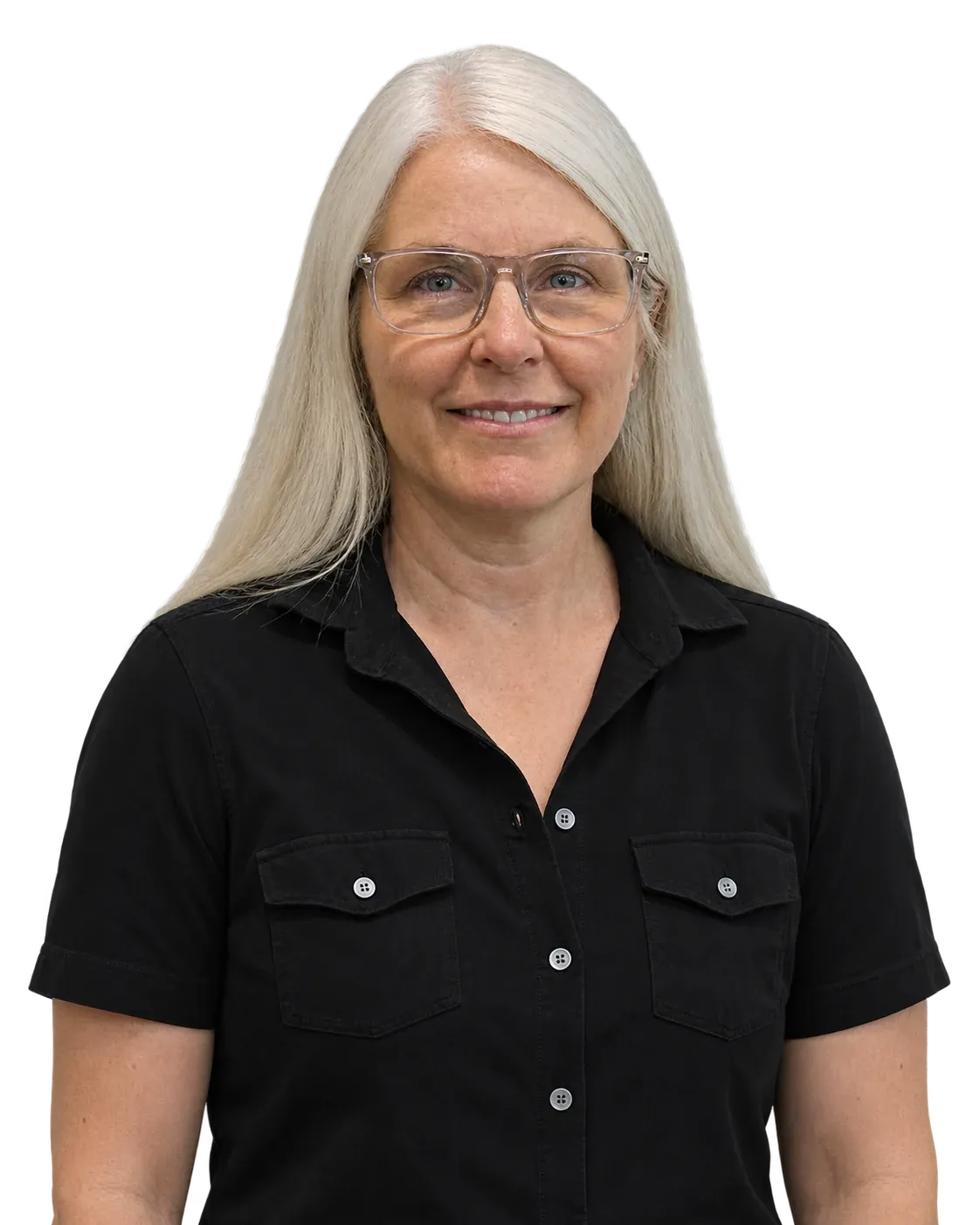
Angie Johnson
MFTi · Marriage and Family Therapist Intern
- Draper
- Telehealth in Utah
- Anxiety
- ADHD
- Attachment
-
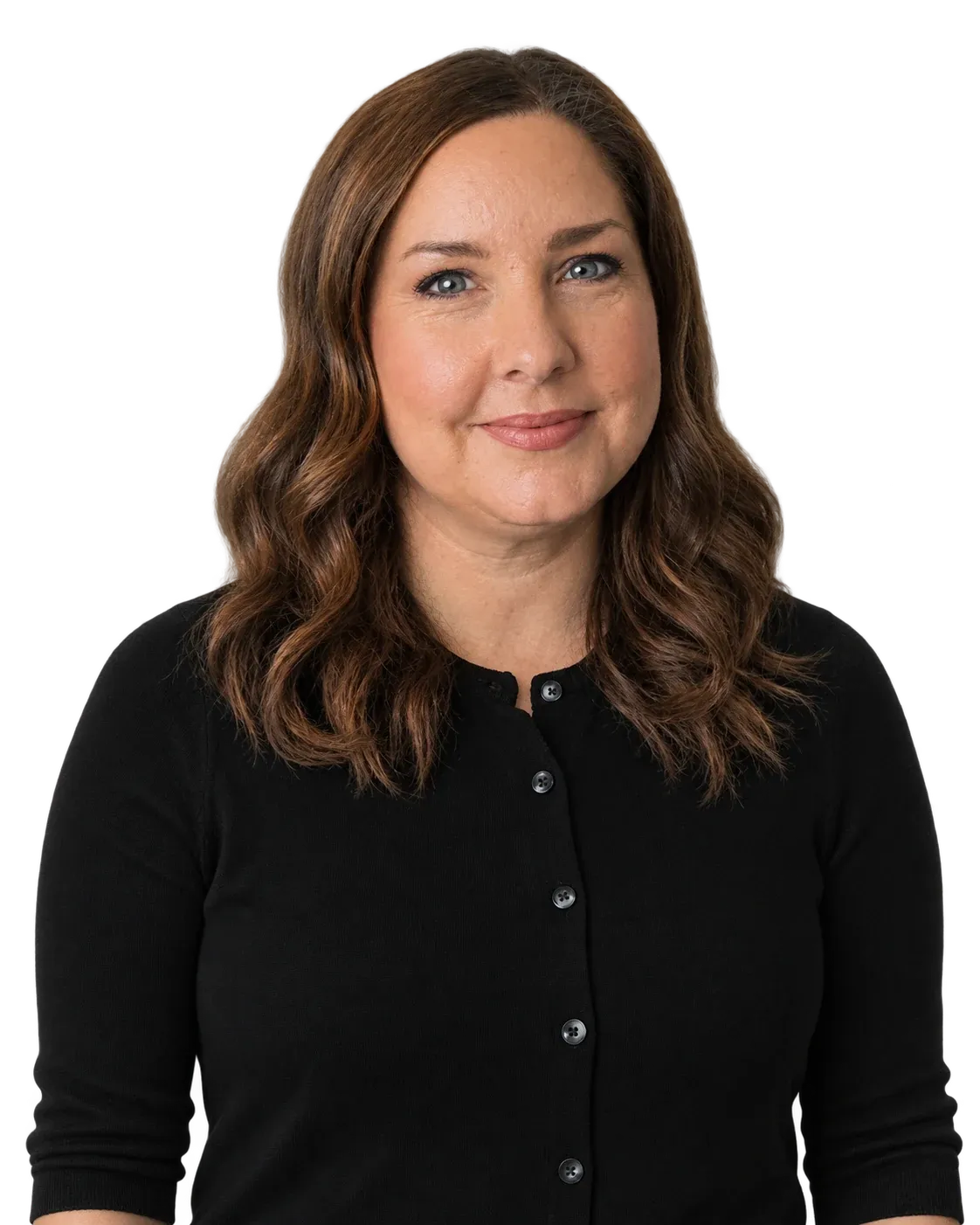
Bethany Monroe
CSW · Certified Social Worker
- Kaysville
- Telehealth in Utah
- Anxiety
- Depression
- Perfectionism
-
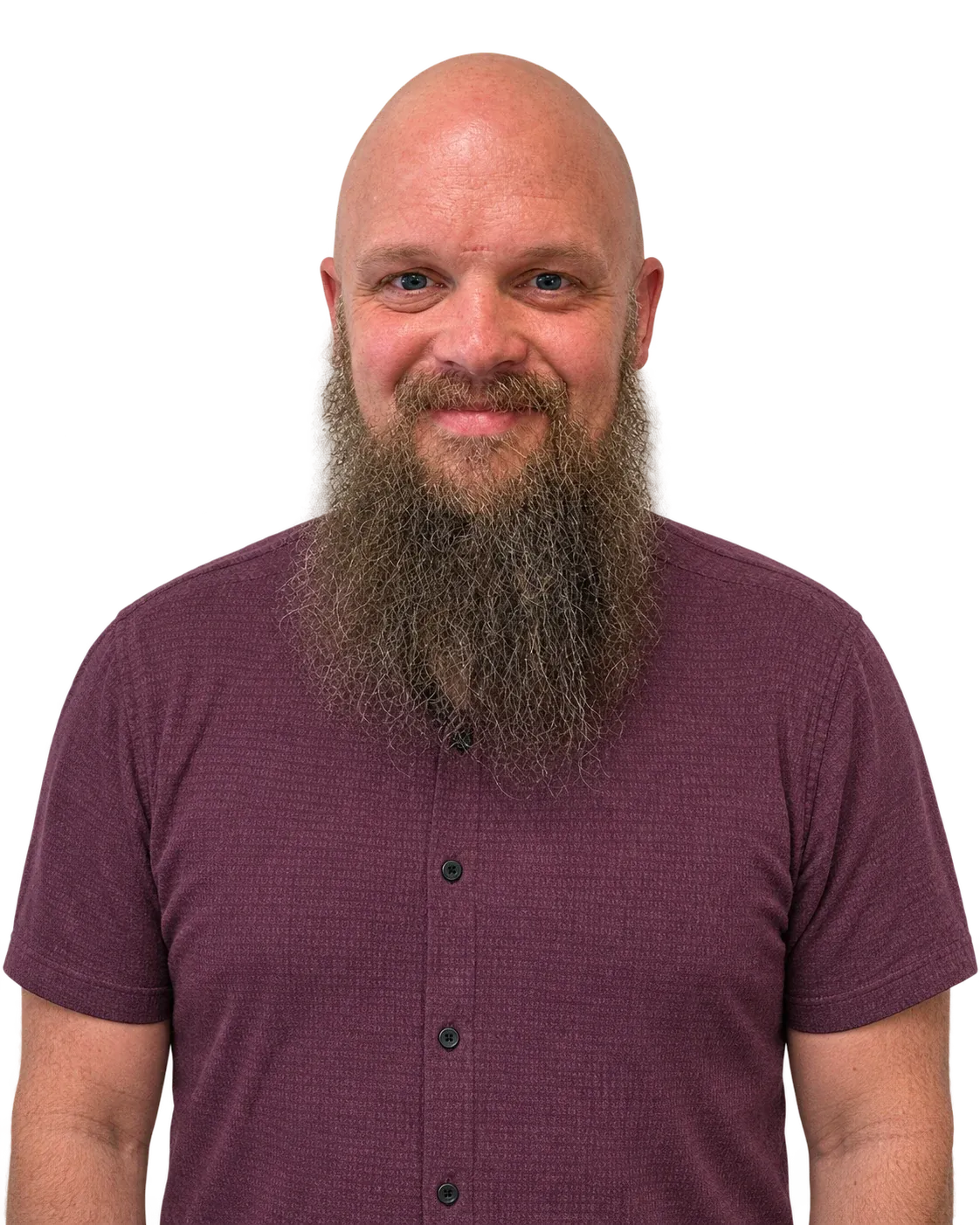
Braiden Hustead
CMHCi · Clinical Mental Health Counselor Intern
- St. George
- Telehealth in Utah
- Anxiety
- ADHD
- Autism & Neurodiversity
-

Carey E. Gold
MBA, ACMHC · Associate Clinical Mental Health Counselor
- St. George & South Ogden
- Telehealth in Utah
- Addictions
- Anxiety
- Career transitions
-

Carlee Wallace
LMFT · Licensed Marriage and Family Therapist
- Telehealth only
- Abuse recovery
- Addictions
- Anxiety
Anxiety therapy near you
Meet in person at one of our five Utah offices, or by secure video from home. Telehealth can be a comfortable way to start when getting out the door feels hard.
-
Kaysville
498 N Kays Dr, Suite 210
(801) 738-4653
Kaysville, UT 84037 -
South Ogden
5730 S 1475 E, Suite 101
(801) 738-4653
South Ogden, UT 84403 -
Draper
121 W Election Rd, Suite 110
(801) 738-4653
Draper, UT 84020 -
St. George
1173 S 250 W, Building 2, Suite 501
(435) 599-8003
St. George, UT 84770 -
Cedar City
427 S Main St, Suite 302
(435) 599-8003
Cedar City, UT 84720 -
Telehealth
Secure video sessions anywhere in Utah.
Does insurance cover anxiety therapy?
Many health plans cover therapy for anxiety as an outpatient mental health benefit, but coverage depends on your plan and your therapist. Our team can help you check your benefits before your first session.
What to ask your insurer
- Do I have outpatient mental health benefits, and is this therapist in-network?
- What's my copay or coinsurance, and have I met my deductible?
- Are telehealth sessions covered the same way as in-person visits?
- Do I need a referral or pre-authorization first?
Anxiety questions
Have a question that isn't here? Call or text us at
(801) 738-4653 in Northern Utah or (435) 599-8003 in Southern Utah.
How do I know if my anxiety needs treatment?
If worry or fear shows up most days, feels hard to control, or is affecting your sleep, work, school, or relationships, therapy can help. Another sign is avoidance: skipping things you used to do because of how anxious they make you feel. You don't need a diagnosis to reach out.
What's the difference between stress and anxiety?
Stress is usually a response to a specific pressure, like a deadline or a hard season, and it eases when the pressure does. Anxiety can linger without a clear cause, or stay long after the stressful moment is over. They often feed each other, and therapy can help with both.
What does a panic attack feel like?
A panic attack is a sudden wave of intense fear that peaks within minutes. It can bring a pounding heart, shortness of breath, chest tightness, dizziness, shaking, or a feeling of losing control. Panic attacks aren't dangerous, but they are frightening, and they are very treatable. If you have chest pain or aren't sure what is happening, get medical care first.
What is the best therapy for anxiety?
Cognitive behavioral therapy (CBT), including exposure-based work, has the most research behind it. Other approaches, like ACT and DBT skills, help many people too. The best fit depends on you, your goals, and your therapist, and a good therapist will tailor the approach as you go.
Can therapy help without medication?
Many people feel much better with therapy alone. Some people benefit from therapy combined with medication, which is prescribed by a medical provider such as your primary care doctor or a psychiatrist. Your therapist can help you think through whether to talk with your doctor.
What is social anxiety?
Social anxiety is an intense, lasting fear of being judged, embarrassed, or rejected in social or performance situations. It is more than shyness. It can lead people to avoid meetings, class, parties, or phone calls. Therapy helps you build confidence step by step.
How long does anxiety therapy take?
It depends on what you are working on. Many people notice changes within a few months of regular sessions, while others stay longer to work on deeper patterns. Your therapist will check in about progress and when to space sessions out.
Do you help children and teens with anxiety?
Yes. Some of our therapists work with children and teens, often with parents involved so the whole family can support new skills at home. Learn about child and adolescent therapy.
Can I get anxiety therapy by telehealth?
Yes. Our therapists offer secure video sessions to clients anywhere in Utah. Many people find it easier to start from home. Learn how telehealth works.
Keep exploring
Related services
One-on-one support
Kids, teens, and parents
Therapist-led groups
Related concerns
Low mood, seasonal and postpartum depression
Intrusive thoughts, compulsions, and moral OCD
Approaches
Accelerated Resolution Therapy (ART)
Accelerated Resolution Therapy
Eye Movement Desensitization and Reprocessing
From our blog
Feel steadier, starting now
You don't need the perfect words to start. Request an appointment and our scheduling team will help you find a therapist who works with anxiety, check availability, and talk through insurance.
Call or text Northern Utah (801) 738-4653 Southern Utah (435) 599-8003