

Child and teen counseling in Utah
Age-appropriate support that helps children and teens express their feelings, build coping skills, and handle challenges at home, at school, and with friends, with parents involved along the way.
- Some of our therapists see children as young as 3
- Play-based work for younger kids, talk therapy for teens
- In person at five offices, or by telehealth anywhere in Utah

What is child and adolescent therapy?
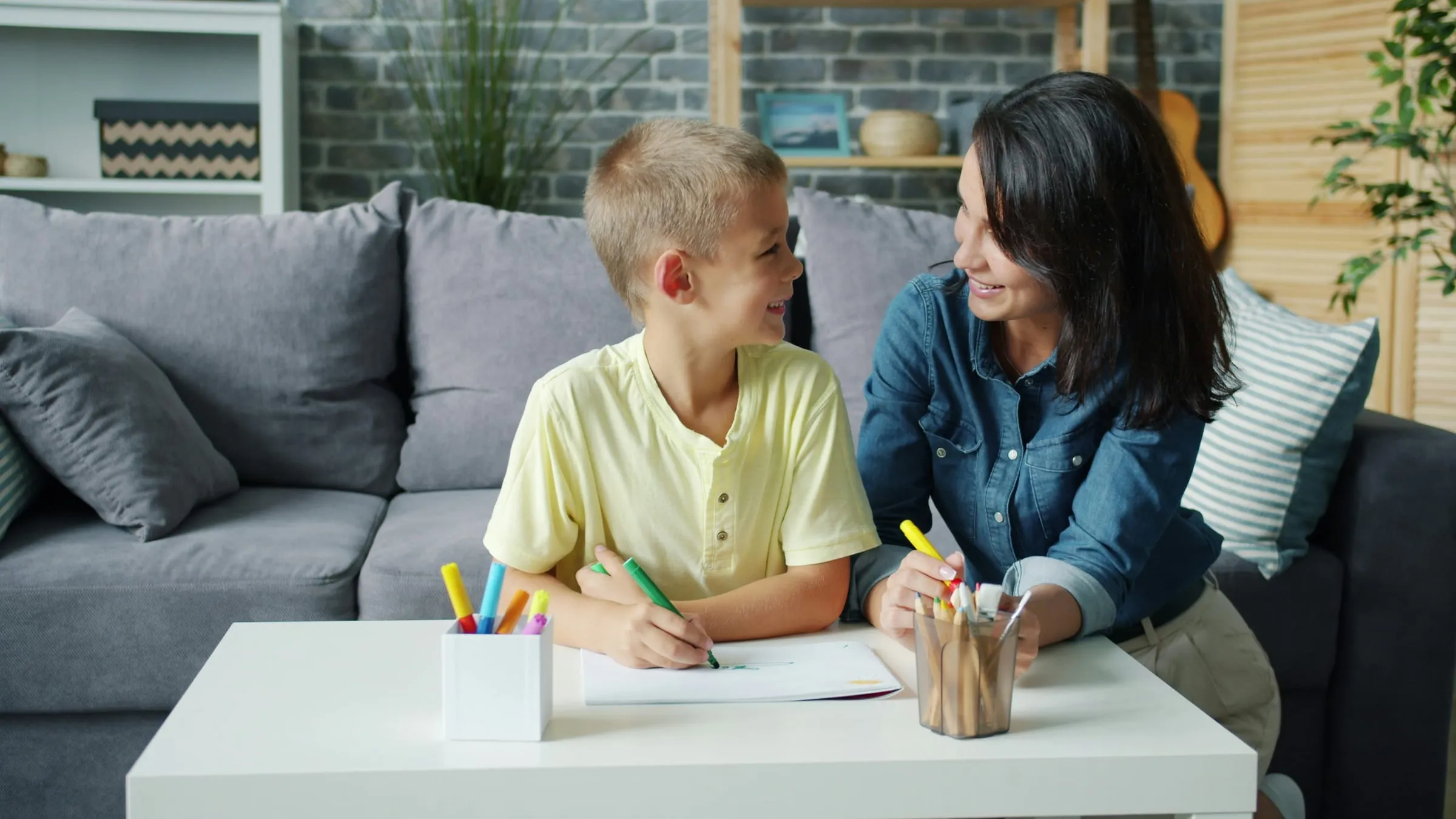
Child and adolescent therapy is counseling designed for a young person’s age and stage. Younger children often work through play, art, and games, while teens talk one-on-one with a therapist. Parents are part of the process, so the progress made in sessions carries over at home.
Kids and teens don't always have the words for what they feel. Worry can look like stomachaches or refusing to go to school. Sadness can look like irritability, anger, or spending every free minute alone. A therapist who works with young people knows how to look underneath the behavior and help your child make sense of it.
Therapy gives your child a safe relationship with a trusted adult outside the family, a place to practice skills for big feelings, and a chance to feel understood. It gives parents guidance, too, so you know how to respond in the moments that matter.
You don’t need a diagnosis or a crisis to start. Many families reach out simply because something has changed and they want to understand it.
Signs your child could use support
Every child has hard days. It may be time to reach out when changes last for weeks, or start getting in the way of school, friends, or family life.
-
Worry and fears
Constant worry, clinging, panic, trouble separating, or avoiding school and activities.
-
Low mood or irritability
Sadness, anger, tearfulness, or losing interest in things they used to enjoy.
-
Behavior changes
Big meltdowns, defiance, aggression, or acting much younger than their age.
-
Struggles at school
Falling grades, trouble focusing, conflict with teachers, or not wanting to go.
-
Pulling away
Spending more time alone, losing friends, or shutting out the family.
-
Sleep or eating changes
Sleeping much more or less, nightmares, or changes in appetite or eating habits.
-
Family changes
Divorce, a move, a new sibling, a blended family, or a loved one’s illness.
-
Grief or a frightening experience
A death, an accident, abuse, or another event that still seems to weigh on them.
-
Talk of self-harm
Comments about hurting themselves or not wanting to be here. Call or text 988 now, or 911 in an emergency.

Therapy for younger children
Play is how young children make sense of the world. In therapy, it becomes a way to express what is hard to put into words.
With younger children, sessions often use toys, art, stories, and games. Through play, a therapist can see what your child is worried about, help them name feelings, and practice calming down, solving problems, and getting along with others.
Parents are an important part of the work. Your therapist will meet with you to share what they notice, suggest ways to respond at home, and adjust the plan as your child grows.
- Big feelings: tantrums, fears, and worries that feel too big for a young child to manage.
- Changes at home: divorce, a move, a new baby, or a loss.
- Getting along: sharing, frustration, and making friends.

Counseling for teens
The teen years bring big changes in identity, independence, friendships, and pressure. Teens do best with a therapist they feel they can trust.
Adolescent counseling gives teens a place of their own to talk about stress, anxiety, low mood, school, friendships, dating, social media, identity, faith, and family conflict. Sessions are usually one-on-one, with parents joining when it helps.
Privacy matters to teens. At the start, your teen’s therapist will explain how confidentiality works: what stays between them, what parents will hear about, and when safety means sharing information. That clarity helps teens open up while keeping parents informed.
Common reasons teens come in include anxiety and panic, depression, self-esteem and body image, perfectionism, ADHD, OCD, substance use, grief, and the stress of performance in school or sports.
How parents are involved
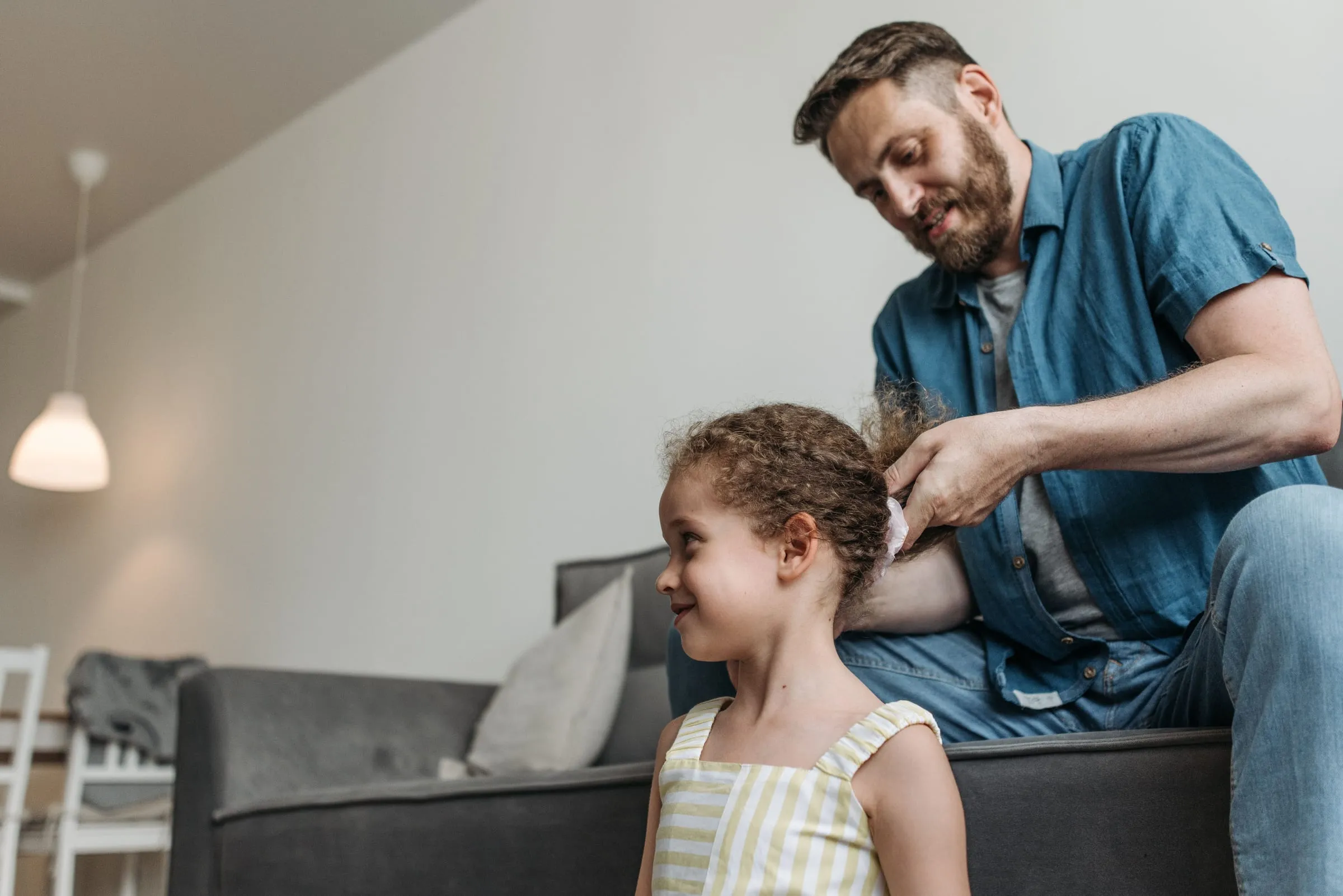
You know your child best. Therapy works best when you’re part of the team.
-
Sharing what you see
Early sessions include time with you to learn your child’s history, strengths, and what has changed.
-
Guidance for home
Practical ways to respond to meltdowns, worries, and conflict, and to support the skills your child is learning.
-
Family sessions when helpful
Some sessions may include parents or siblings, and family therapy can be added when the whole family needs support.
-
School and other supports
With your permission, your therapist can think with you about how school and other caring adults can help.
What to expect
Here’s how starting therapy for your child or teen usually unfolds.
-
Step 1: Reach out
Request an appointment, or call or text us. Tell us your child’s age and what’s going on. Our scheduling team will suggest therapists who work with that age group and have times that fit your family.
-
Step 2: Start with you
Your therapist will usually meet with you first, or with you and your child together, to hear your concerns and your child’s history.
-
Step 3: Build trust
Early sessions help your child or teen feel comfortable. For younger kids, that often means play. For teens, it means being heard without judgment.
-
Step 4: Practice and check in
Sessions focus on skills your child can use at home and school. Your therapist checks in with you regularly about progress and next steps.
Not sure where to start? Call or text (801) 738-4653 in Northern Utah or (435) 599-8003 in Southern Utah and we'll talk it through.
How our therapists work with young people
Your child’s therapist chooses research-informed approaches that fit their age and needs. Methods our clinicians list include:
-
Play Therapy
Uses developmentally appropriate play to help children express experiences, explore feelings, and practice coping and relationship skills.
-
Trauma-Focused CBT (TF-CBT)
Helps children and teens process traumatic experiences and build coping skills, with caregiver involvement when appropriate.
-
Cognitive Behavioral Therapy (CBT)
Adapts CBT skills to a young person’s age, helping them understand thoughts and feelings and practice coping strategies for everyday challenges.
-
Dialectical Behavior Therapy (DBT)
Teaches teens skills for managing intense emotions, tolerating distress, and handling relationships, with acceptance and change in balance.
-
EMDR
Pairs attention to distressing memories with guided eye movements or other bilateral stimulation to reduce their emotional impact. It can be adapted for children and teens.
-
Family Systems Therapy
Looks at how family members influence and respond to one another, helping children, teens, and caregivers build more supportive patterns.
Does therapy help kids and teens?
Yes, for many young people. A large review of five decades of research found that psychological therapy helps children and teens with anxiety, depression, behavior problems, and attention problems, with results that vary by concern and approach.1
Getting support early matters. Many mental health concerns first show up in childhood or the teen years, and building coping skills while young gives kids tools they can use for life.
- 1. Weisz, J. R., Kuppens, S., Ng, M. Y., et al. (2017). What five decades of research tells us about the effects of youth psychological therapy: A multilevel meta-analysis and implications for science and practice. American Psychologist, 72(2), 79–117.
What progress can look like
- Naming feelings instead of acting them out
- Calmer mornings, bedtimes, and homework time
- More confidence at school and with friends
- A teen who talks to you a little more
- Parents who feel steadier and more prepared
Meet our child and teen therapists
These clinicians list children or adolescents among the people they work with. Ages vary by therapist, so our team will help you find the right fit for your child.
-
-

Alex Russell
CMHC · Clinical Mental Health Counselor
- Cedar City
- Telehealth in Utah
- Anxiety
- OCD
- Trauma and attachment
-

Alex Sotelo
CMHCi · Clinical Mental Health Counselor Intern
- Draper
- Telehealth in Utah
- Addictions
- Anxiety
- Depression
-

Angie Johnson
MFTi · Marriage and Family Therapist Intern
- Draper
- Telehealth in Utah
- Anxiety
- ADHD
- Attachment
-

Bethany Monroe
CSW · Certified Social Worker
- Kaysville
- Telehealth in Utah
- Anxiety
- Depression
- Perfectionism
-

Braiden Hustead
CMHCi · Clinical Mental Health Counselor Intern
- St. George
- Telehealth in Utah
- Anxiety
- ADHD
- Autism & Neurodiversity
-

Carlee Wallace
LMFT · Licensed Marriage and Family Therapist
- Telehealth only
- Abuse recovery
- Addictions
- Anxiety
-

Claudia DeMordaunt
MSWi · Social Work Intern
- South Ogden & Kaysville
- Telehealth in Utah
- Anxiety
- ADHD
- Communication
Child and teen counseling near you
Meet in person at one of our five Utah offices, or by secure video from anywhere in Utah. Many teens do well with telehealth, while younger children often do best in person, where play is easier.
-
Kaysville
498 N Kays Dr, Suite 210
(801) 738-4653
Kaysville, UT 84037 -
South Ogden
5730 S 1475 E, Suite 101
(801) 738-4653
South Ogden, UT 84403 -
Draper
121 W Election Rd, Suite 110
(801) 738-4653
Draper, UT 84020 -
St. George
1173 S 250 W, Building 2, Suite 501
(435) 599-8003
St. George, UT 84770 -
Cedar City
427 S Main St, Suite 302
(435) 599-8003
Cedar City, UT 84720 -
Telehealth
Secure video sessions anywhere in Utah.
Does insurance cover therapy for kids?
Many health plans cover outpatient mental health care for children and teens, but coverage varies by plan and therapist. Our team can help you check your benefits before your child’s first session.
What to ask your insurer
- Does my plan cover outpatient mental health care for my child, and is this therapist in-network?
- Are family sessions covered? Ask about CPT codes 90847 (with your child present) and 90846 (without).
- What's my copay or coinsurance, and have I met my deductible?
- Are telehealth sessions covered the same way as in-person visits?
Child and teen counseling questions
Have a question that isn't here? Call or text us at
(801) 738-4653 in Northern Utah or (435) 599-8003 in Southern Utah.
What ages do you work with?
Some of our therapists see children as young as 3, and many work with older children and teens. Ages vary by therapist, so tell us your child’s age when you reach out and our scheduling team will suggest a good fit. Browse child and teen therapists.
Will I be in the sessions with my child?
Sometimes. With younger children, parents are often involved in part of each session or in separate parent check-ins. Teens usually meet one-on-one, with parents joining at times. Your therapist will talk with you about what will help most.
Will the therapist tell me what my teen says?
Your teen’s therapist will explain how privacy works at the first session. Teens tend to open up more when they know their conversations are respected, and therapists keep parents informed about overall progress. If there is a safety concern, the therapist will involve you.
How do I talk to my child about starting therapy?
Keep it simple and honest. You might say that a counselor is someone who helps kids with feelings and problems, and that lots of kids see one. Avoid presenting it as a punishment. For teens, inviting them to have a say, such as which therapist to try, can help.
Can therapy help with ADHD?
Therapy can help children and teens with ADHD build skills for focus, organization, and emotions, and help families create routines that work. Several of our clinicians list ADHD among their focus areas. Learn about ADHD.
How long will my child be in therapy?
It depends on your child’s needs and goals. Some children come for a few months to work on a specific worry; others benefit from longer support. Your therapist will review progress with you regularly.
Do you offer therapy for teens by telehealth?
Yes. Our therapists offer secure video sessions anywhere in Utah. Teens are often comfortable with video. For younger children, your therapist can help you decide whether in-person sessions would work better. Learn how telehealth works.
Keep exploring
Related services
Understanding each other
One-on-one support
Related concerns
Worry, panic, stress, and perfectionism
Low mood, seasonal and postpartum depression
Difficult experiences that still feel present
Intrusive thoughts, compulsions, and moral OCD
Attention, focus, and follow-through
Support that respects how you think
Your relationship with food and your body
Approaches
Dialectical Behavior Therapy (DBT)
Dialectical Behavior Therapy
From our blog
Help your child feel like themselves again
Tell us a little about your child and what’s going on. Our scheduling team will help you find a therapist who works with their age, check availability, and talk through insurance.
Call or text Northern Utah (801) 738-4653 Southern Utah (435) 599-8003