
Alex Sotelo
CMHCi · Clinical Mental Health Counselor Intern
- Draper
- Telehealth in Utah
- Addictions
- Anxiety
- Depression

A collaborative space for partners and families to strengthen communication, understand the patterns you keep getting stuck in, rebuild connection, and work through hard seasons with support.


Couples counseling, also called marriage counseling or relationship counseling, is therapy for two partners together. A therapist helps you understand the patterns between you, communicate more clearly, repair hurts, and build the kind of connection you both want.
You don't have to be in crisis to start. Some couples come in after a betrayal or a long stretch of fighting. Others come because they feel more like roommates than partners, or because a big change is coming and they want to face it as a team.
In couples therapy, the relationship is the focus. Your therapist won't take sides or decide who is right. Instead, they help each of you feel heard, slow down the conversations that usually go sideways, and practice new ways of responding to each other.
Most sessions include both partners. Sometimes a therapist will meet with each of you on your own for part of the work, and some couples pair couples sessions with individual therapy.
Small disagreements turn into big ones, or you avoid topics because you know how they will end.
An affair, secrecy, or another betrayal has left one or both of you hurt and unsure how to move forward.
Life has become logistics. You feel lonely in the relationship, or more like roommates than partners.
Differences in desire, closeness, or affection that are hard to talk about.
Stepparenting, co-parenting with an ex, and building new routines together.
When beliefs change, or you see big questions differently, and you want to stay close.
Marriage, a new baby, a move, a job change, retirement, or an empty nest.
One or both of you is unsure about the future and wants to decide with care.
Engaged or newly married couples who want good habits before problems set in.

After an affair or another breach of trust, partners are often in very different places. One may want to understand every detail. The other may want to move on quickly. Your therapist helps you slow down, keep conversations safe enough to have, and make a plan together.
Repair usually happens in stages: understanding what happened and rebuilding honesty, looking at what left the relationship vulnerable, and then building new ways of connecting. It takes time, and it takes both of you. Your therapist can also help if you decide to separate, so that the ending is as respectful as possible.
When a painful memory keeps intruding, some partners also work on it in individual sessions, for example with Accelerated Resolution Therapy (ART), which several of our clinicians practice.
Trust is built in everyday moments too. Feeling emotionally safe, knowing your partner will listen without contempt and turn toward you when you reach out, is something couples can practice.
Slowing down so each partner can describe what they feel and need, and the other can reflect it back before responding.
Naming the pattern you fall into, like one partner pursuing while the other withdraws, so you can stop it together.
Learning to calm down, take a break when needed, and come back to make things right.
Some disagreements come from lasting differences in personality or values. Couples can learn to talk about them without gridlock.
Small, daily moments of attention, appreciation, and quality time that rebuild friendship and fondness.
Talking about the life you want together: your goals, traditions, and what matters most to each of you.
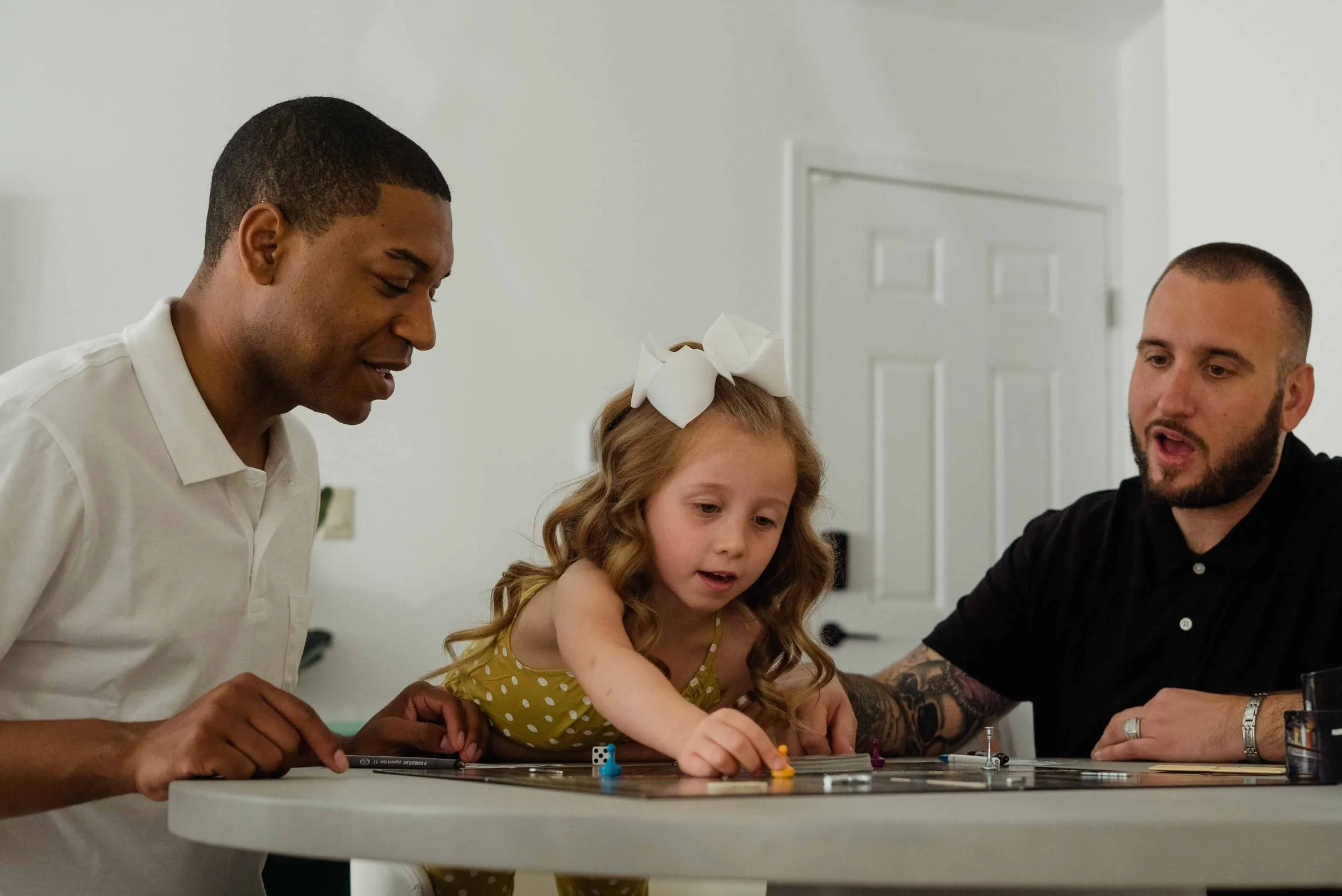
Either partner can request an appointment, or call or text us. Our scheduling team will match you with a therapist who works with couples and has times that fit both schedules.
Early sessions focus on your history as a couple, what is working, what hurts, and what each of you hopes will change. Some therapists also meet with each partner on their own.
Sessions focus on the cycles between you and the skills that break them. You will often practice something at home between sessions.
As things improve, sessions space out. You leave with tools you can keep using, and you can always come back for a tune-up.
Not sure where to start? Call or text (801) 738-4653 in Northern Utah or (435) 599-8003 in Southern Utah and we'll talk it through.
Uses a structured relationship assessment and practical skills to strengthen friendship, manage conflict, and build shared meaning between partners.
Helps partners understand emotional patterns and attachment needs, interrupt cycles of disconnection, and practice more secure, responsive ways of relating.
Focuses on your strengths, existing resources, and the relationship you want, to find practical, achievable next steps.
For many couples, yes. Reviews of decades of research find that couple therapy helps most couples who take part, and that structured approaches such as Emotionally Focused Therapy and behavioral couple therapies are among the best studied.1
Progress depends a lot on both partners being willing to take part, and on practicing what you learn between sessions. Gold Counseling is an approved member for the Gottman Relationship Checkup, an online relationship assessment used by Gottman-trained therapists. Ask whether it’s part of your therapist’s approach.
CMHCi · Clinical Mental Health Counselor Intern
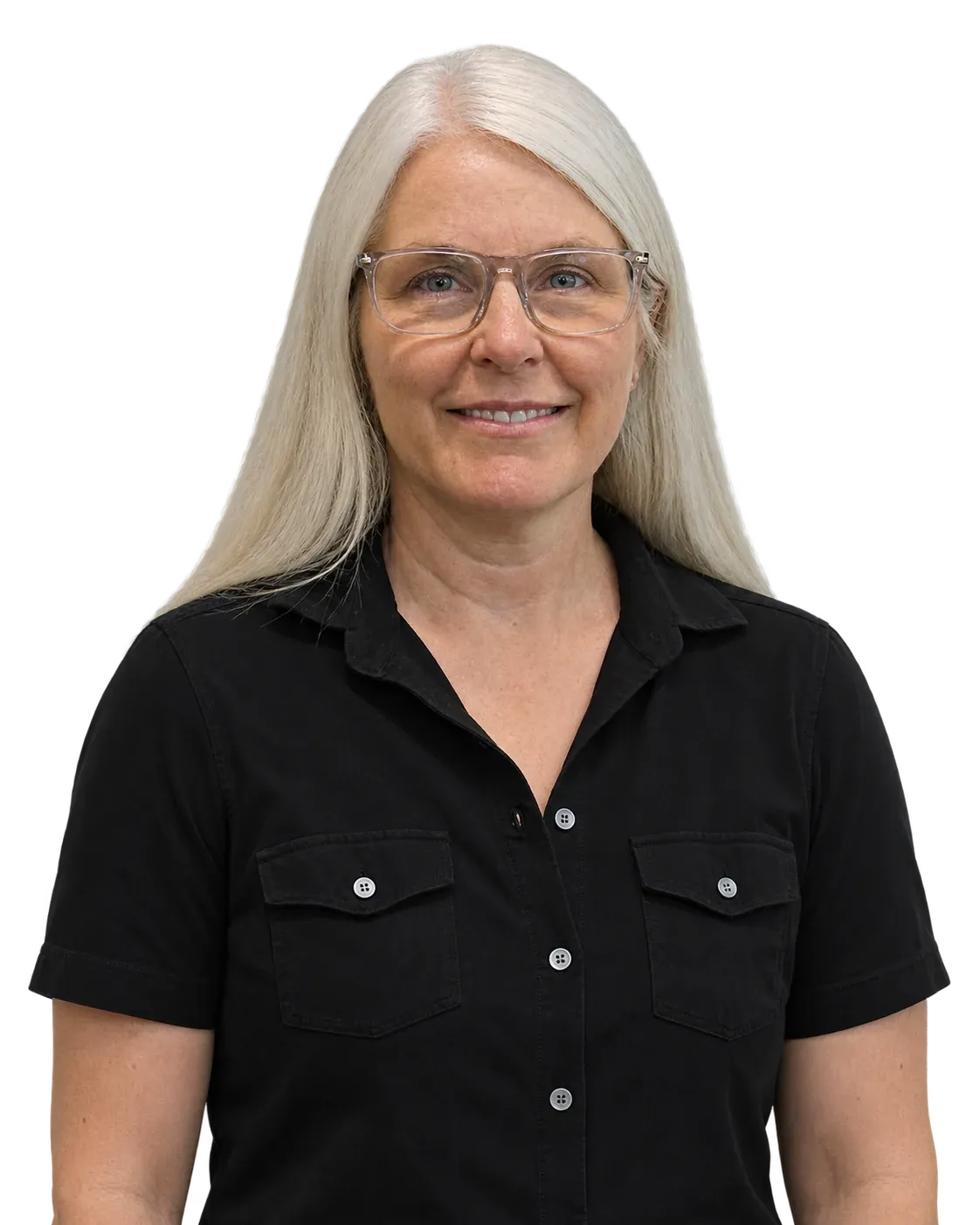
MFTi · Marriage and Family Therapist Intern
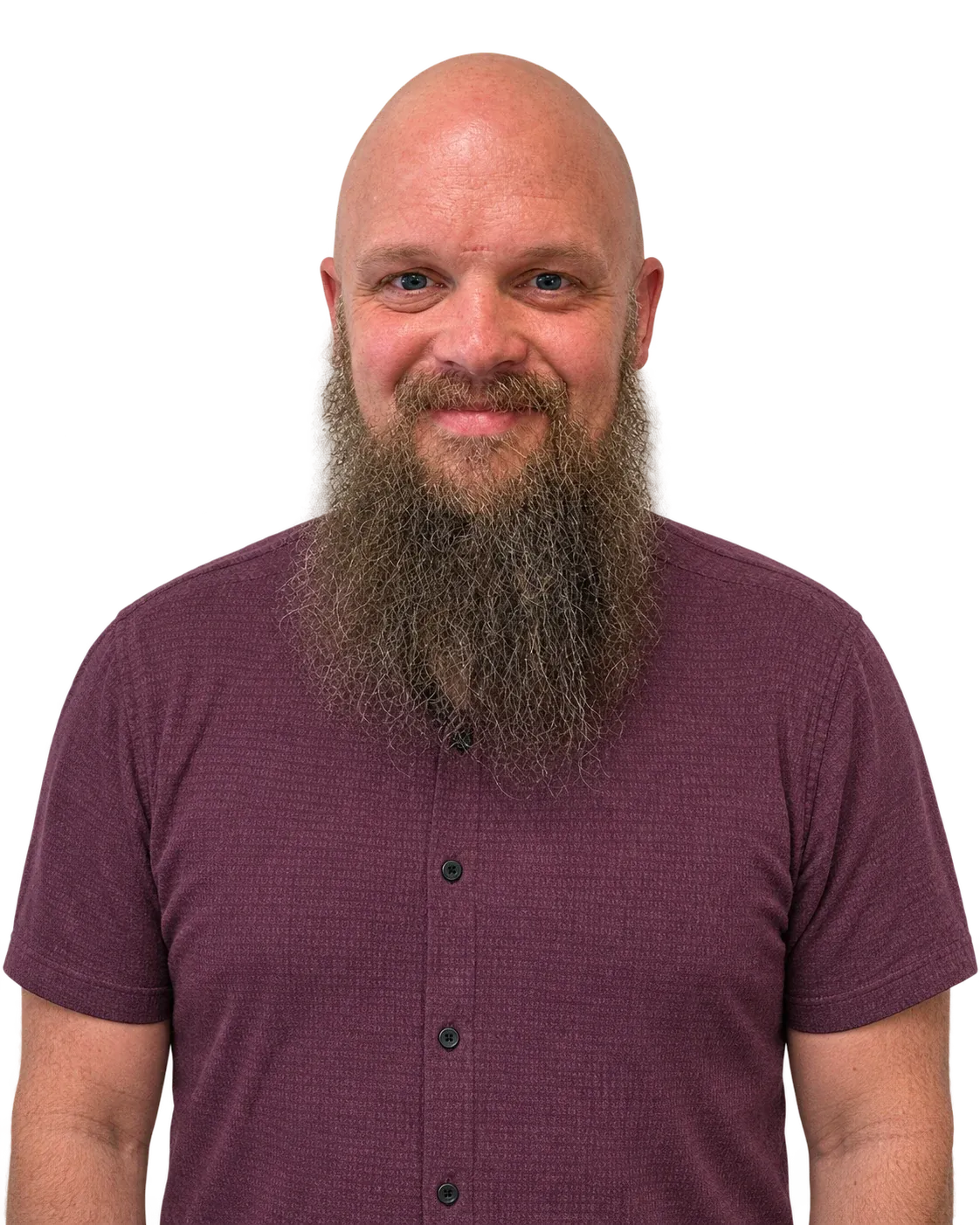
CMHCi · Clinical Mental Health Counselor Intern
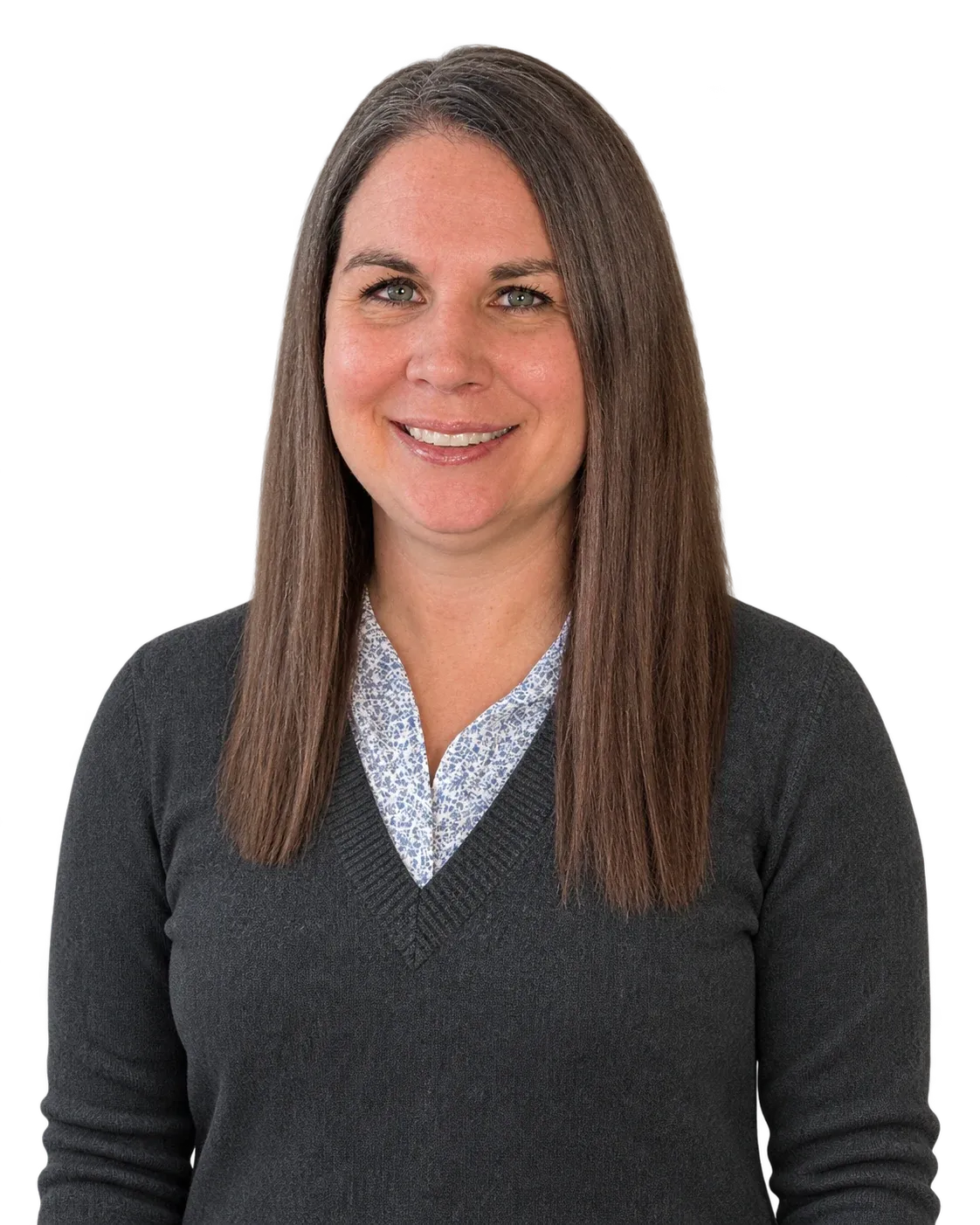
MSWi · Social Work Intern

MFTi · Marriage and Family Therapist Intern

CSW · Certified Social Worker

498 N Kays Dr, Suite 210
Kaysville, UT 84037
5730 S 1475 E, Suite 101
South Ogden, UT 84403
121 W Election Rd, Suite 110
Draper, UT 84020
1173 S 250 W, Building 2, Suite 501
St. George, UT 84770
427 S Main St, Suite 302
Cedar City, UT 84720
Secure video sessions anywhere in Utah.
Not much. The terms are used interchangeably. Couples counseling, marriage counseling, and relationship counseling all describe therapy for two partners together, whether you are married, engaged, or dating.
Your cost depends on your insurance, your benefits, and your therapist. If you plan to use insurance, ask your plan whether couples therapy is covered (CPT code 90847). If you plan to pay out of pocket, ask our scheduling team about fees before your first visit, and you can ask for a Good Faith Estimate of expected costs. Learn about insurance and fees.
That’s common. Start with what you can control: you can begin individual therapy to work on how you respond in the relationship, and many partners join later once they see it’s a fair, judgment-free space. Learn about individual therapy.
No. Your therapist’s job is to help both of you feel heard and to focus on the patterns between you, not to decide who is right.
Often, yes. Recovering from infidelity takes time and both partners’ commitment. Therapy gives you a structured, safer place to talk about what happened, rebuild honesty, and decide together what comes next.
It depends on your goals and what you’re working through. Some couples improve communication within a handful of sessions; repairing a betrayal usually takes longer. Your therapist will check in with you about progress along the way.
It’s hard to know until you try. Couples who come in earlier often have an easier path, but many couples make real changes even after years of distance. If one of you is unsure about staying, therapy can also help you decide with care.
Yes. Our therapists offer secure video sessions to couples located anywhere in Utah. Learn how telehealth works.
Safety comes first. If you are being hurt or threatened, couples sessions may not be safe, and individual support is usually the better place to start. Tell our team privately and we’ll help you find the right kind of care. If you are in danger, call 911. You can also reach the National Domestic Violence Hotline at 1-800-799-7233.
Yes. We welcome every couple. Learn about LGBTQ+ affirming therapy.
Understanding each other
One-on-one support
Affirming, respectful care
Support that respects how you think
Faith, religious concerns, and faith transitions
Addiction & Compulsive Behaviors
Substance use, pornography, and other compulsions
Emotionally Focused Therapy (EFT)
Emotionally Focused Therapy
Tell us a little about what’s going on in your relationship. Our scheduling team will help you find a couples therapist, check availability, and talk through insurance.
Call or text Northern Utah (801) 738-4653 Southern Utah (435) 599-8003