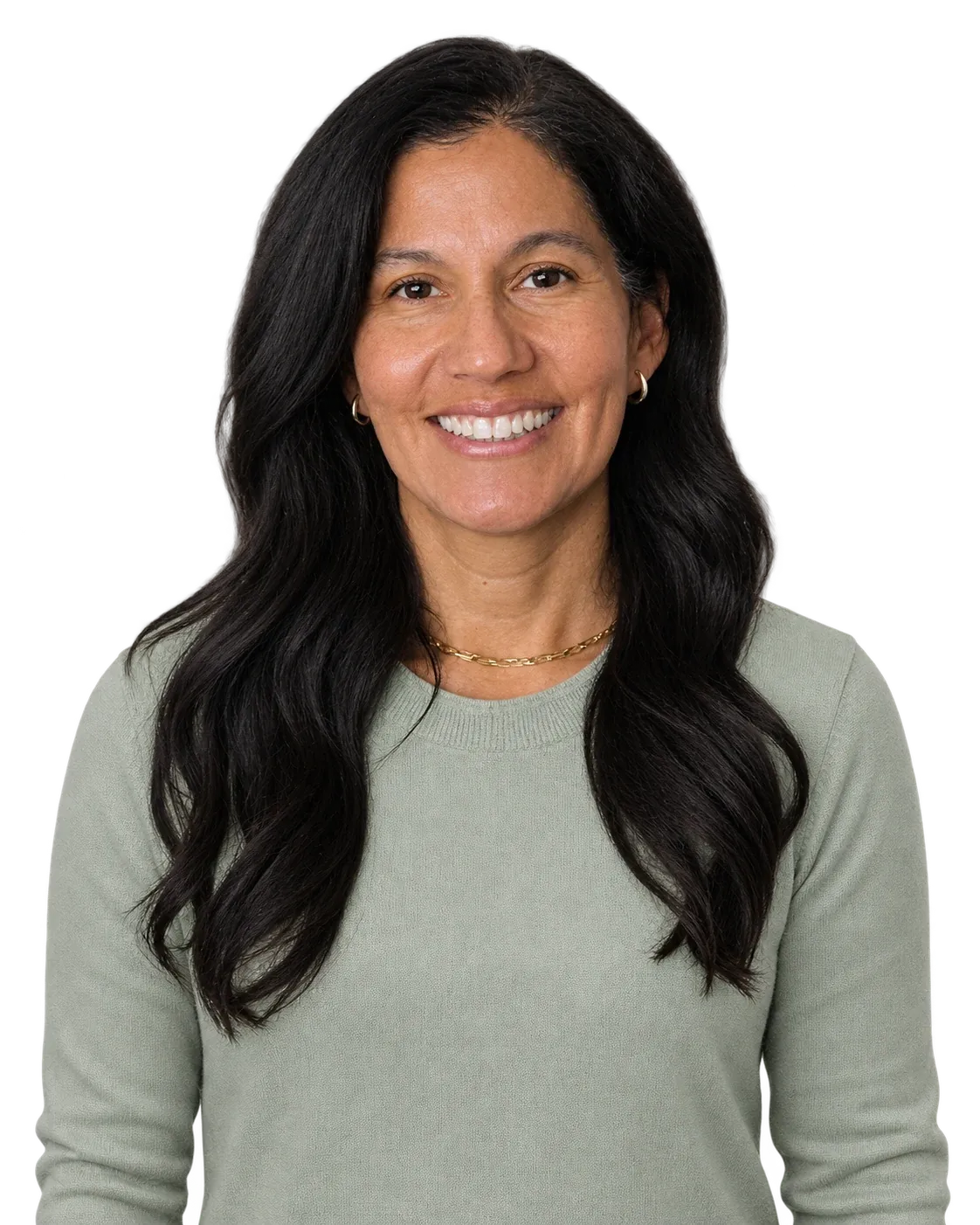
Claudia DeMordaunt
MSWi · Social Work Intern
- South Ogden & Kaysville
- Telehealth in Utah
- Anxiety
- ADHD
- Communication

Affirming care that respects your identity and experiences, with room to explore relationships, belonging, life changes, and whatever brings you to therapy.

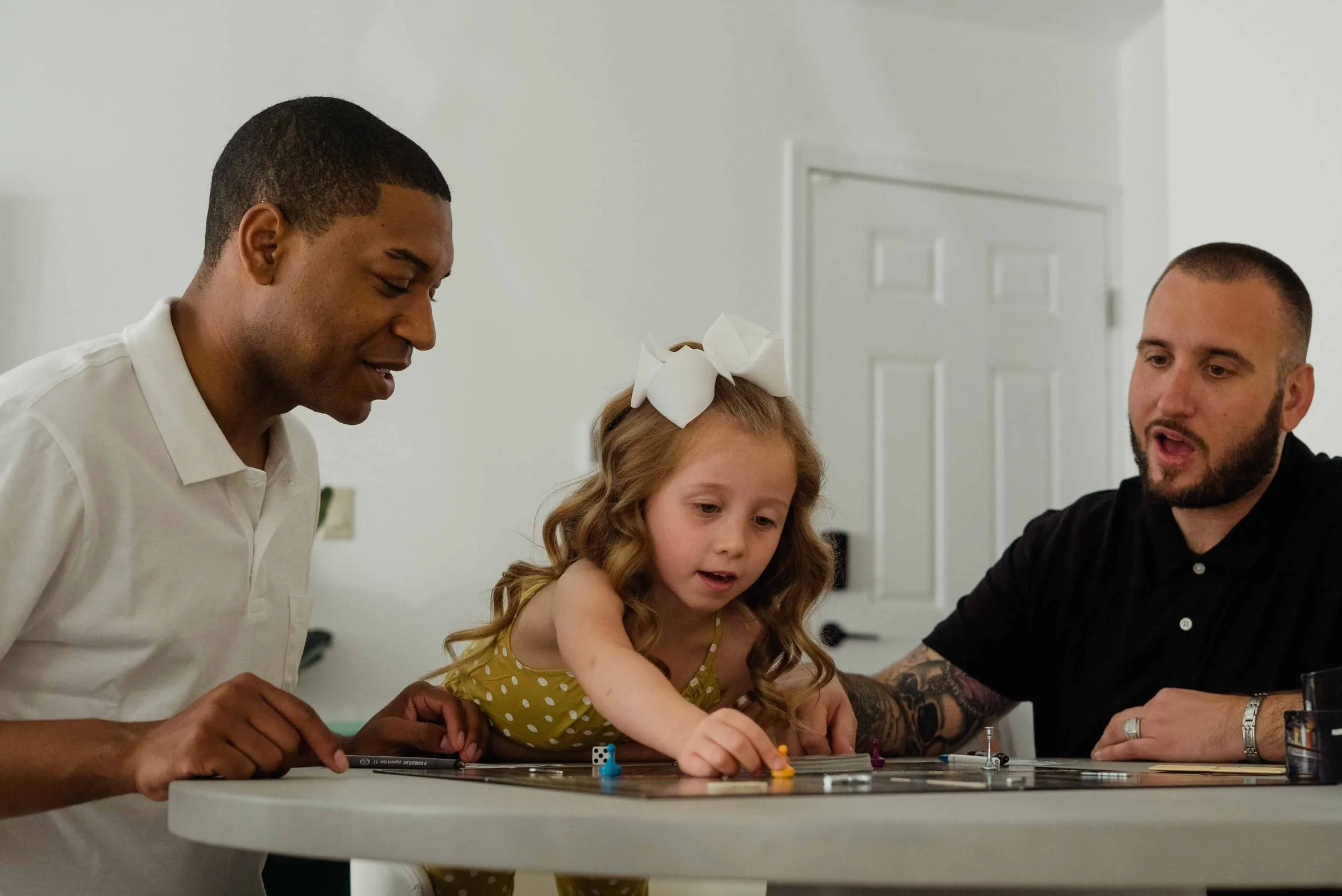
LGBTQ+ affirming therapy is counseling that treats lesbian, gay, bisexual, transgender, queer, questioning, and other identities as healthy, normal parts of human diversity. You don’t have to explain or defend who you are, and the focus is on what you want help with.
Some people come to therapy to explore identity, come out, or heal from shame. Others come for anxiety, depression, a breakup, grief, or work stress, and simply want a therapist who won’t make their identity the problem. Both are welcome here.
Affirming therapy never tries to change a person’s sexual orientation or gender identity. Your therapist follows your lead, helps you understand the stress that comes from stigma or rejection, and supports you in building a life that feels honest and connected.
Many LGBTQ+ people in Utah are also navigating faith, family expectations, and community. Your therapist will respect the place faith holds in your life, whatever that looks like for you.
Questions about your sexual orientation or gender identity, at your own pace and without pressure.
Deciding whether, when, and how to tell family, friends, or coworkers, and handling how they respond.
Old messages that being queer is wrong, which can linger long after you stop believing them.
Strained relationships with parents or relatives, or a family learning how to support you.
Making sense of your faith, your community, and who you are, wherever that leads.
Dating, intimacy, communication, and building healthy relationships.
The wear and tear of discrimination, hiding, or always being on guard.
Worry, low mood, loneliness, or burnout, whether or not they connect to identity.
Moves, new jobs, breakups, starting a family, and other turning points.

Many people grow up hearing, directly or indirectly, that their identity is unacceptable. Messages from family, peers, media, school, or religious settings can leave a lasting mark, even for people who no longer hold those beliefs. The absence of support can hurt as much as open disapproval.
In therapy, you can trace where the fear and shame come from, notice how they show up today, and practice a kinder, more accurate way of seeing yourself. Your therapist can help you build self-compassion, set boundaries with people who aren’t supportive, and find community that affirms you.
There’s no deadline. Whether you’ve known for years or are just beginning to ask questions, you can move at a pace that feels safe.
Some people want to keep their faith and make room for their identity. Some are stepping away from a faith community, and some aren’t sure yet. Your therapist won’t push you in any direction. They’ll help you sort through what you believe, what you want, and how to stay connected to the people who matter.
Some of our clinicians list both LGBTQ+ concerns and religion and spirituality among their focus areas, so you can find someone comfortable holding both.

Same-sex and LGBTQ+ couples face the same challenges as any couple, like communication, conflict, and intimacy, plus some of their own, such as being out at different levels or dealing with family who aren’t supportive. Learn about couples counseling.
When a child, teen, or adult family member comes out, families often want to respond well but don’t know how. Family therapy gives everyone a place to ask questions, share feelings, and stay connected. Learn about family therapy.
Request an appointment, or call or text us. You can ask for a specific therapist or tell us what matters to you in finding the right fit.
Our scheduling team looks at your needs, location, schedule, and insurance, then suggests therapists who work with LGBTQ+ clients.
Your first sessions focus on your story and your goals. You share only what you’re ready to share, including your name and pronouns.
Sessions build insight and skills you can use in daily life. As things improve, you can meet less often.
Not sure where to start? Call or text (801) 738-4653 in Northern Utah or (435) 599-8003 in Southern Utah and we'll talk it through.
Uses guided eye movements and imagery to help you work with distressing memories, such as rejection or harassment, and the reactions tied to them.
Helps partners understand emotional patterns and attachment needs, and practice more secure, responsive ways of relating.
Explores how thoughts, feelings, and behaviors influence one another, including beliefs about yourself that you picked up from others.
Research on minority stress shows that stigma, discrimination, and having to hide who you are add real, ongoing stress, and help explain why LGBTQ+ people face higher rates of anxiety and depression. The cause is the stress, not the identity.1
The American Psychological Association’s practice guidelines call on therapists to understand that stress and to affirm sexual minority clients rather than treat their identity as something to fix.2 Feeling safe with your therapist is one of the strongest predictors of progress in any therapy.
MSWi · Social Work Intern
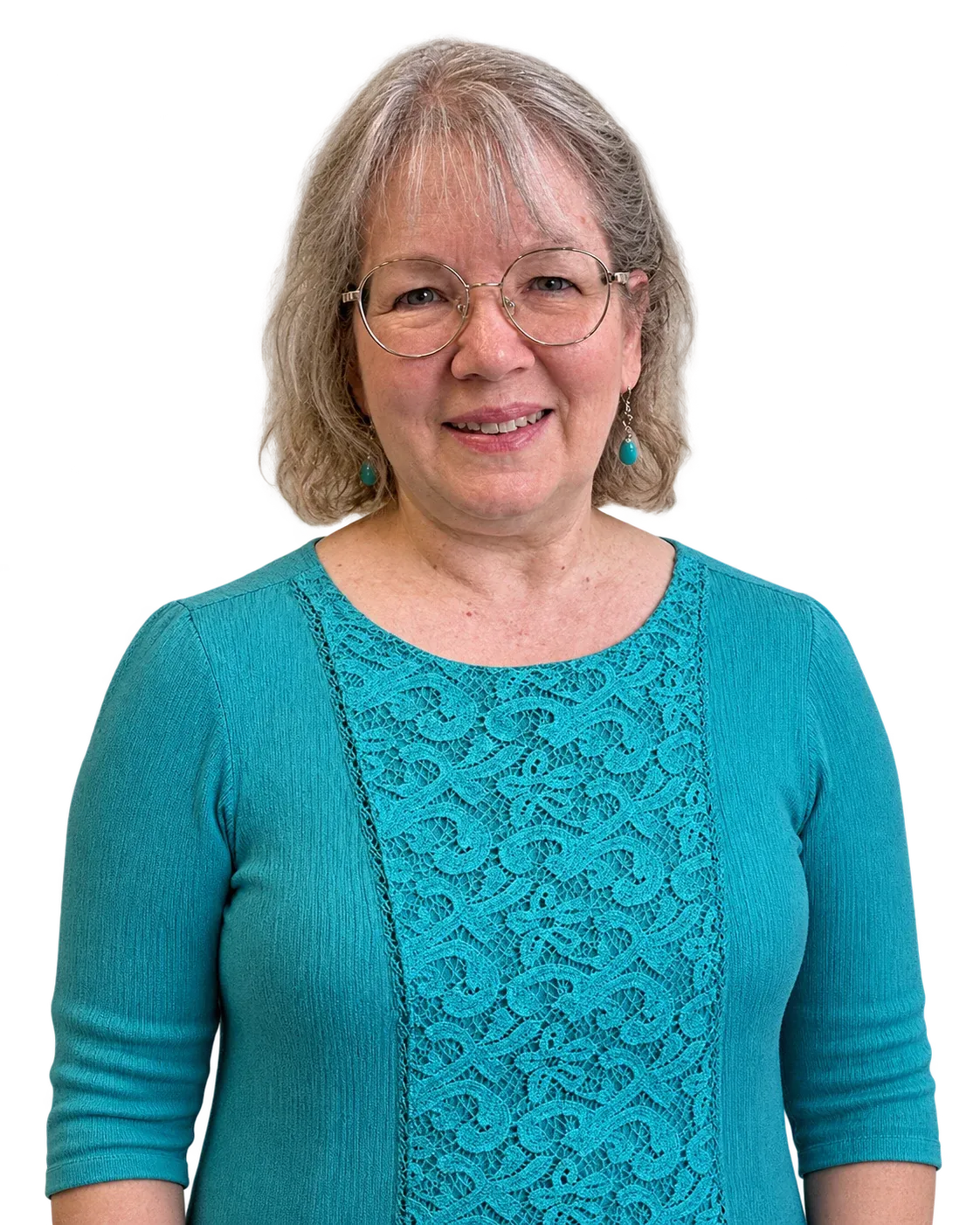
LCSW · Licensed Clinical Social Worker

LCSW · Licensed Clinical Social Worker

MSWi · Social Work Intern
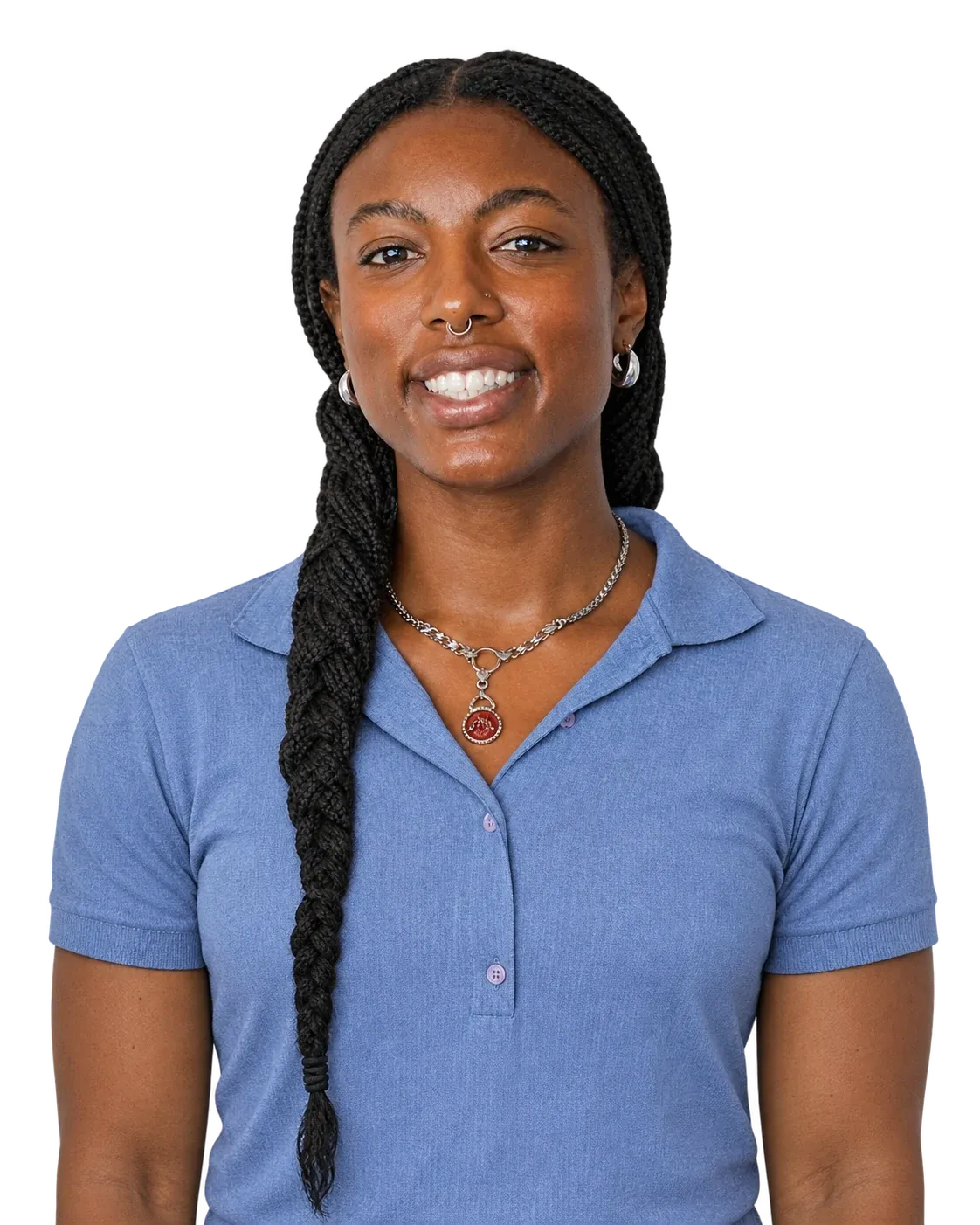
AMFT · Associate Marriage and Family Therapist
498 N Kays Dr, Suite 210
Kaysville, UT 84037
5730 S 1475 E, Suite 101
South Ogden, UT 84403
121 W Election Rd, Suite 110
Draper, UT 84020
1173 S 250 W, Building 2, Suite 501
St. George, UT 84770
427 S Main St, Suite 302
Cedar City, UT 84720
Secure video sessions anywhere in Utah.
No. You set the agenda. Some people want to focus on identity, coming out, or family. Others want help with anxiety, depression, work, or a breakup, and just want a therapist who already understands their life.
Tell our scheduling team what matters to you in a therapist, including identity, age, or approach, and they’ll do their best to find a good fit. You can also browse our affirming therapists and ask for someone by name.
Yes. Your therapist can help you think through whether, when, and how to come out, plan for different reactions, and take care of yourself afterward. If your family wants support too, family therapy can help.
Yes. Some of our affirming clinicians work with teens, and ages vary by therapist. Teens can explore questions about identity in a private, judgment-free space, and parents can get support in responding well. Learn about child and teen counseling.
Yes. Whether faith is central to your life, something you’re questioning, or something you’ve left behind, your therapist will respect where you are and won’t steer you in any direction.
Yes. Let us know the name and pronouns you use when you reach out or at your first session.
Yes. We welcome every couple. Learn about couples counseling.
Yes, within the limits of the law. What you share, including your identity, stays between you and your therapist, except where the law requires otherwise, such as when someone’s safety is at risk. Your therapist will explain this at your first session.
If you’re in crisis, call or text 988 for the Suicide & Crisis Lifeline, or call 911 in an emergency. LGBTQ+ young people can also reach The Trevor Project 24/7 at 1-866-488-7386 or by texting START to 678-678.
One-on-one support
Communication and connection
Understanding each other
Faith, religious concerns, and faith transitions
You don’t need to have it all figured out. Request an appointment and our scheduling team will help you find an affirming therapist, check availability, and talk through insurance.
Call or text Northern Utah (801) 738-4653 Southern Utah (435) 599-8003