

ADHD therapy in Utah
Support for children, teens, and adults with ADHD. Therapy helps you understand how your brain works, build skills for focus and follow-through, and ease the strain ADHD can put on school, work, and relationships.
- Help for children, teens, adults, and parents
- In person in Kaysville, South Ogden, Draper, and St. George, or by telehealth in Utah
- Works alongside care from your doctor or prescriber


What is ADHD?
ADHD (attention-deficit/hyperactivity disorder) is a neurodevelopmental condition that affects attention, activity level, and impulse control. It usually begins in childhood and often continues into adulthood. Therapy doesn’t try to change who you are. It helps you build strategies and support that fit the way your brain works.
ADHD shows up in different ways. Some people mostly struggle with attention and organization (sometimes still called ADD). Others are more restless and impulsive, and many have a mix of both. It isn’t a lack of effort, intelligence, or good parenting. Research points to genetics and differences in how the brain develops.
ADHD is often missed, especially in girls and women and in people whose symptoms are mostly inattentive. Many adults only recognize it after years of feeling disorganized, misunderstood, or “not living up to their potential,” sometimes when their own child is diagnosed.
Our therapists provide counseling, not medication. Many people with ADHD work with a doctor or psychiatric provider on medication, and therapy works well alongside it. If you’re wondering whether ADHD is part of the picture, you can start with what you’re noticing. You don’t need a diagnosis to begin therapy.
How ADHD can show up
ADHD looks different at different ages and in different people. These are some common experiences:
-
Trouble staying on task
Starting many things and finishing few, or drifting off during conversations, reading, or work.
-
Forgetting and losing things
Missed assignments, appointments, keys, and phones, even with good intentions.
-
Time slipping away
Running late, underestimating how long things take, or putting things off until the last minute.
-
Restlessness
Fidgeting, trouble sitting still, talking a lot, or feeling driven by a motor inside.
-
Acting before thinking
Interrupting, impulsive decisions or spending, or saying things you wish you hadn’t.
-
Big feelings, fast
Quick frustration, overwhelm, or emotions that are hard to bring back down.
-
Struggles at school or work
Grades or performance that don’t match ability, or burning out from working twice as hard.
-
Friction at home
Daily battles over homework, chores, screens, or routines that leave everyone tired.
-
Feeling “not good enough”
Years of being called lazy or careless can wear down confidence and self-worth.
ADHD in children and teens
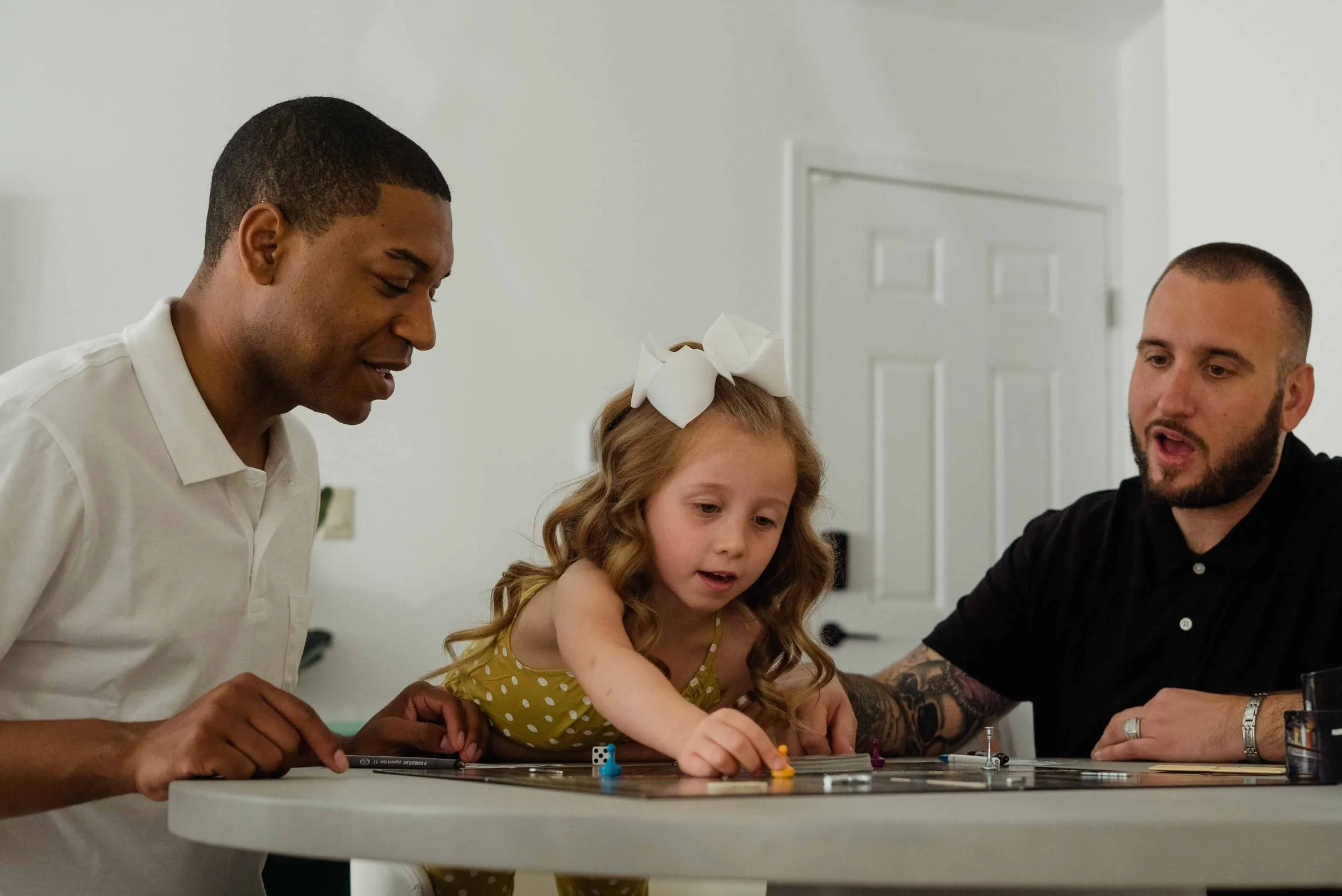
When a child or teen has ADHD, therapy works best when parents are part of it.
For children, therapy is often hands-on. Your child’s therapist helps them notice and name feelings, practice calming down, and build small routines that make mornings, homework, and bedtime easier. Parents learn practical tools, like clear expectations, consistent follow-through, and praise that motivates, so home feels less like a battleground.
Teens get room to talk about what ADHD feels like from the inside: school pressure, friendships, independence, and the frustration of being misunderstood. Your teen’s therapist helps them find systems that actually work for them and builds the confidence to use them.
- Calmer mornings, homework, and bedtimes
- Skills for frustration and big emotions
- Organization and planning that fit your child
- Parenting tools that reduce power struggles
- Thinking through what to ask for at school
- Rebuilding confidence after hard years

ADHD in adults
Whether you were diagnosed as a child or are only now putting the pieces together, therapy can help.
Adults with ADHD often carry years of coping on their own: overworking to keep up, relying on last-minute pressure, or feeling ashamed of things others seem to handle easily. A later diagnosis can bring relief and grief at the same time.
In therapy, you build practical systems for planning, time, and follow-through, and work on the thoughts that feed procrastination and self-criticism. ADHD can also affect relationships, from forgotten plans to uneven household loads, and couples therapy can help partners understand each other instead of keeping score.
ADHD often comes with anxiety or depression. Your therapist will look at the whole picture. Read more about anxiety and depression.
When ADHD affects the whole family
ADHD often runs in families, and it shapes how everyone gets along.
Siblings may feel overlooked. Parents may disagree about how strict to be, or one parent may recognize their own ADHD in their child. Family sessions help everyone understand what’s going on and agree on routines and responses that feel fair.
ADHD and autism also often occur together. If your family is navigating both, our page on autism and neurodivergence may help.
What to expect
Here’s how getting started usually works.
-
Step 1: Reach out
Request an appointment, or call or text us. Tell us who the appointment is for and what you’re noticing at home, school, or work.
-
Step 2: Find the right fit
Our scheduling team looks at age, needs, location, schedule, and insurance, and suggests therapists who list ADHD among their focus areas.
-
Step 3: Get to know each other
Early sessions focus on strengths, challenges, and goals. For children, parents are usually part of these first conversations.
-
Step 4: Practice what works
You try small, concrete changes between sessions and adjust them together until they stick.
Not sure where to start? Call or text (801) 738-4653 in Northern Utah or (435) 599-8003 in Southern Utah and we'll talk it through.
How therapy can help
Depending on age and goals, your therapist may draw on approaches like these:
-
Cognitive Behavioral Therapy (CBT)
Practical skills for planning and organizing, plus help with the thoughts that fuel procrastination and self-criticism.
-
Behavioral Family Therapy
Helps families spot unhelpful patterns and practice communication, problem-solving, and parenting skills together.
-
Dialectical Behavior Therapy (DBT)
Skills for managing strong emotions, tolerating frustration, and communicating clearly.
-
Play Therapy
Uses play to help younger children express feelings and practice coping and relationship skills.
-
Mindfulness-Based Interventions
Builds present-moment awareness, which can make it easier to notice distraction and choose where attention goes.
-
Solution-Focused Therapy
Starts from what already works for you and builds small, achievable next steps.
Does therapy help with ADHD?
Yes, as part of a full plan. For children, pediatric guidelines recommend behavioral approaches, especially training parents in behavior management, as the first step for preschoolers and alongside medication for school-age children and teens.1
For adults, a clinical trial found that cognitive behavioral therapy added to medication improved ADHD symptoms more than medication with relaxation and education alone.2 Therapy also helps with what often comes along with ADHD: stress, low self-esteem, and strain in relationships.
- 1. Wolraich, M. L., et al. (2019). Clinical practice guideline for the diagnosis, evaluation, and treatment of attention-deficit/hyperactivity disorder in children and adolescents. Pediatrics, 144(4), e20192528.
- 2. Safren, S. A., et al. (2010). Cognitive behavioral therapy vs relaxation with educational support for medication-treated adults with ADHD and persistent symptoms: A randomized controlled trial. JAMA, 304(8), 875–880.
What progress can look like
- Routines that hold up on busy days
- Fewer arguments over homework and chores
- Calmer recovery from frustration
- Less shame, more self-understanding
- Systems for work and school you actually use
Therapists who work with ADHD
These clinicians list ADHD among their focus areas. Our scheduling team can help you find the right fit for your child, your teen, or yourself.
-
-

Angie Johnson
MFTi · Marriage and Family Therapist Intern
- Draper
- Telehealth in Utah
- Anxiety
- ADHD
- Attachment
-

Bethany Monroe
CSW · Certified Social Worker
- Kaysville
- Telehealth in Utah
- Anxiety
- Depression
- Perfectionism
-

Braiden Hustead
CMHCi · Clinical Mental Health Counselor Intern
- St. George
- Telehealth in Utah
- Anxiety
- ADHD
- Autism & Neurodiversity
-

Claudia DeMordaunt
MSWi · Social Work Intern
- South Ogden & Kaysville
- Telehealth in Utah
- Anxiety
- ADHD
- Communication
-

Emily Mellor
LSC, CMHCi · Clinical Mental Health Counselor Intern
- South Ogden & Kaysville
- Telehealth in Utah
- ADHD
- Anxiety
- Behavioral concerns
-

-

Troy Benallie
LMFT · Licensed Marriage and Family Therapist
- Kaysville
- Telehealth in Utah
- Anxiety
- Depression
- ADHD
ADHD support near you
Clinicians who list ADHD see clients at our Kaysville, South Ogden, Draper, and St. George offices, and by secure video anywhere in Utah.
-
Kaysville
498 N Kays Dr, Suite 210
(801) 738-4653
Kaysville, UT 84037 -
South Ogden
5730 S 1475 E, Suite 101
(801) 738-4653
South Ogden, UT 84403 -
Draper
121 W Election Rd, Suite 110
(801) 738-4653
Draper, UT 84020 -
St. George
1173 S 250 W, Building 2, Suite 501
(435) 599-8003
St. George, UT 84770 -
Cedar City
427 S Main St, Suite 302
(435) 599-8003
Cedar City, UT 84720 -
Telehealth
Secure video sessions anywhere in Utah.
Does insurance cover ADHD therapy?
Many health plans cover outpatient therapy for ADHD, but coverage depends on your plan and your therapist. Our team can help you check your benefits before your first session.
What to ask your insurer
- Do I have outpatient mental health benefits, and is this therapist in-network?
- What's my copay or coinsurance, and have I met my deductible?
- Are telehealth sessions covered the same way as in-person visits?
- Is family therapy or a parent-only session covered for my child’s care?
ADHD questions
Have a question that isn't here? Call or text us at
(801) 738-4653 in Northern Utah or (435) 599-8003 in Southern Utah.
Do you diagnose or test for ADHD?
Our therapists provide counseling. Formal ADHD evaluations are often done by a physician, psychiatrist, or psychologist, so if you’re looking for one, talk with your doctor and ask our scheduling team about your options. You can start therapy for what you’re noticing at any time, with or without a diagnosis.
Can your therapists prescribe ADHD medication?
No. Our therapists don’t prescribe medication. If you or your child takes medication for ADHD, your doctor or psychiatric provider manages it, and therapy works alongside it.
Is ADHD therapy only for kids?
No. Many adults have ADHD, and some are diagnosed for the first time in adulthood. Therapy can help with organization, time, emotions, work, relationships, and the self-doubt that years of struggling can leave behind.
How involved are parents in a child’s ADHD therapy?
Usually very involved, especially with younger children. Parents often join sessions or have their own sessions to learn tools for home. Teens typically get more one-on-one time, with parents brought in as needed.
What’s the difference between ADHD and ADD?
“ADD” is an older name. Today, ADHD is the umbrella diagnosis, described by which symptoms are most prominent: mainly inattentive, mainly hyperactive-impulsive, or combined.
Can therapy help with ADHD and anxiety or depression at the same time?
Yes. They often go together, and your therapist will look at the whole picture rather than one label. Learn more about anxiety and depression.
Does ADHD therapy work over telehealth?
For many teens and adults, yes. Younger children sometimes do better in person. We offer secure video sessions anywhere in Utah, and your therapist can help you decide what fits. How telehealth works.
How long does therapy for ADHD take?
It depends on your goals. Some families come for a few months to set up routines and skills, then check in as new stages bring new challenges. Your therapist will review progress with you regularly.
Can ADHD affect a marriage or relationship?
It can, through missed plans, uneven chores, or misread intentions. Couples therapy helps partners understand how ADHD shows up and share the load more fairly. See couples and marriage therapy.
Keep exploring
Related services
Kids, teens, and parents
One-on-one support
Understanding each other
Related concerns
Support that respects how you think
Worry, panic, stress, and perfectionism
Approaches
Every method our team uses
Get support that fits how you think
Tell us a little about what you or your child is facing. Our scheduling team will help you find a therapist, check availability, and talk through insurance.
Call or text Northern Utah (801) 738-4653 Southern Utah (435) 599-8003