
Trauma and PTSD therapy in Utah
Some experiences stay with us long after they end. Trauma therapy offers care that begins with safety, choice, and your own pace, so painful memories can lose their hold on your life.
- Clinicians who list trauma, PTSD, or abuse recovery
- EMDR, ART, and other trauma-focused approaches
- In person at five offices, or by telehealth anywhere in Utah


What is trauma?
Trauma is the lasting effect of an experience that felt overwhelming, frightening, or harmful. Post-traumatic stress disorder (PTSD) is one way trauma can show up: memories that intrude, efforts to avoid reminders, changes in mood and beliefs, and feeling constantly on edge.
Trauma can follow a single event, like a car accident, an assault, or a sudden loss. It can also build over time, through ongoing abuse, neglect, bullying, or living in an unsafe home. What matters most is not how the event looks from the outside, but how it affected you.
Your mind and body did what they had to do to get you through. Trauma therapy helps them learn that the danger has passed, so you can feel safe in the present again.
Not everyone who goes through something hard develops PTSD, and many people recover with time and support. If weeks or months have passed and the effects are still strong, therapy can help.
Signs trauma is still affecting you
Trauma can show up in your thoughts, emotions, body, and relationships. You may notice some of these weeks, months, or even years later.
-
Memories that intrude
Unwanted memories, flashbacks, or nightmares that make it feel like it is happening again.
-
Avoiding reminders
Steering clear of people, places, conversations, or feelings connected to what happened.
-
Always on alert
Feeling jumpy, easily startled, or constantly scanning for danger.
-
Shame and self-blame
Believing it was your fault, that you are broken, or that no one can be trusted.
-
Feeling numb or far away
Feeling cut off from others, or unable to feel joy, love, or interest.
-
Sleep and focus problems
Trouble falling asleep, staying asleep, or concentrating during the day.
-
Anger and irritability
Outbursts or a short fuse that feel out of character.
-
Reactions in your body
A racing heart, tension, or panic when something reminds you of the past.
-
Strain in relationships
Difficulty with trust, closeness, touch, or intimacy.
Trauma takes many forms
There's no list you have to qualify for. These are some of the experiences people bring to trauma therapy.
-
Single-incident trauma
A car accident, assault, natural disaster, medical emergency, or sudden loss.
-
Complex or relational trauma
Harm that happened repeatedly or over time, often in relationships that were supposed to be safe.
-
Childhood trauma
Abuse, neglect, household violence, or instability in childhood that still shapes adult life.
-
Physical and emotional abuse
Being hit, threatened, controlled, belittled, or isolated by a partner, parent, or someone else.
-
Sexual trauma
Sexual abuse or assault at any age, whether it happened once or over time.
-
Betrayal trauma
Deep hurt from infidelity, deception, or a broken trust in a close relationship.
-
Religious trauma
Harm experienced in a religious setting or through fear-based teaching. We respect your faith, wherever it stands now. See faith and spirituality.
-
Work-related trauma
Repeated exposure to danger or suffering on the job. See therapy for first responders, veterans, and healthcare workers.
-
Traumatic grief
A sudden, violent, or unexpected death that makes grief feel stuck or frightening.

What is PTSD?
Post-traumatic stress disorder (PTSD) can develop after someone experiences or witnesses a frightening, dangerous, or harmful event.
Clinicians look for four groups of symptoms that last more than a month and cause real distress or get in the way of daily life:
- Intrusion: unwanted memories, nightmares, or flashbacks
- Avoidance: staying away from reminders, or trying not to think or talk about it
- Changes in thoughts and mood: guilt, shame, fear, numbness, or negative beliefs about yourself and others
- Changes in arousal and reactivity: feeling on edge, irritable, easily startled, or unable to sleep or focus
Symptoms often begin soon after the event, but they can also appear months or years later. Children and teens can have PTSD too, and it can look like changes in play, behavior, or sleep.
A therapist can help you understand what you are experiencing. PTSD is very treatable, even when the trauma happened long ago.

Trauma, intimacy, and relationships
Trauma often shows up most in the relationships that matter most to us.
After trauma, closeness can feel complicated. You might want connection and also feel guarded, numb, or overwhelmed by touch, sex, or vulnerability. Partners can feel confused or shut out, even when everyone is trying.
Therapy can help you understand these reactions, set boundaries that feel safe, and rebuild trust and intimacy at your own pace. Some people work on this individually, and some invite a partner into the process.
Healing at a pace that feels safe
Trauma-informed care means you stay in charge. Nothing is rushed, and you never have to share more than you're ready to.
Safety and stability first
Early sessions focus on building trust with your therapist and learning ways to calm your body and mind when memories or reactions show up.
Working with the memories
When you are ready, your therapist uses a trauma-focused approach to help you process what happened, so the memories feel less raw and less in charge. With some approaches, like EMDR and ART, you don't have to describe every detail out loud.
Reconnecting with your life
As the past loosens its grip, the work shifts toward the present: relationships, goals, and the parts of life trauma pushed aside.
What to expect
Reaching out about trauma takes courage. Here is how getting started usually works.
-
Step 1: Reach out
Request an appointment online, or call or text us. You don't need to explain what happened. Just let us know you're looking for trauma support.
-
Step 2: Find the right fit
Our scheduling team suggests therapists who work with trauma and fit your schedule, location, and insurance. You can ask for a specific approach, like EMDR.
-
Step 3: Build safety and skills
Your first sessions focus on trust, your goals, and tools for steadying yourself when things feel intense.
-
Step 4: Heal and reconnect
When you are ready, you work through the trauma itself, then focus on the life and relationships you want going forward.
Not sure where to start? Call or text (801) 738-4653 in Northern Utah or (435) 599-8003 in Southern Utah and we'll talk it through.
Trauma-focused approaches
Your therapist will help you choose an approach that fits you and your history. Methods our clinicians list include:
-
EMDR
Pairs attention to distressing memories with guided eye movements or other bilateral stimulation to reduce their emotional impact.
-
Accelerated Resolution Therapy (ART)
Uses guided eye movements and imagery to help you work with distressing memories and the reactions tied to them.
-
Trauma-Focused CBT (TF-CBT)
Helps children and teens process traumatic experiences and build coping skills, with caregivers involved when appropriate.
-
Cognitive Behavioral Therapy (CBT)
Helps you notice and change the beliefs trauma can leave behind, like "it was my fault" or "I'm never safe."
-
Dialectical Behavior Therapy (DBT)
Skills for calming intense emotions, tolerating distress, and staying grounded in the present.
-
Trauma-informed care
A way of working that puts your safety, choice, and pace first in every session, whatever the method.
Does trauma therapy work?
Yes. PTSD is one of the most studied mental health conditions, and trauma-focused psychotherapies are recommended as first-line treatments in national clinical guidelines.1 EMDR is among the therapies these guidelines recommend.2
Accelerated Resolution Therapy is newer, with a smaller but growing body of research, including a randomized trial with veterans with PTSD.3 Your therapist can talk with you about the options and what the research says.
For free, reliable information about PTSD, the VA National Center for PTSD is a good place to start, whether or not you are a veteran.
- 1. American Psychological Association. (2017). Clinical practice guideline for the treatment of posttraumatic stress disorder (PTSD) in adults.
- 2. U.S. Department of Veterans Affairs & Department of Defense. (2023). VA/DoD clinical practice guideline for the management of posttraumatic stress disorder and acute stress disorder.
- 3. Kip, K. E., Rosenzweig, L., Hernandez, D. F., et al. (2013). Randomized controlled trial of accelerated resolution therapy (ART) for symptoms of combat-related post-traumatic stress disorder (PTSD). Military Medicine, 178(12), 1298–1309.
What progress can look like
- Memories that feel further away
- Fewer nightmares and better sleep
- Feeling safe in your own body
- Less shame and self-blame
- Trust and closeness returning
Therapists who help with trauma
Many of our clinicians list trauma, PTSD, or abuse recovery among their focus areas. Here are a few of them.
-
-

Alex Russell
CMHC · Clinical Mental Health Counselor
- Cedar City
- Telehealth in Utah
- Anxiety
- OCD
- Trauma and attachment
-

Alex Sotelo
CMHCi · Clinical Mental Health Counselor Intern
- Draper
- Telehealth in Utah
- Addictions
- Anxiety
- Depression
-
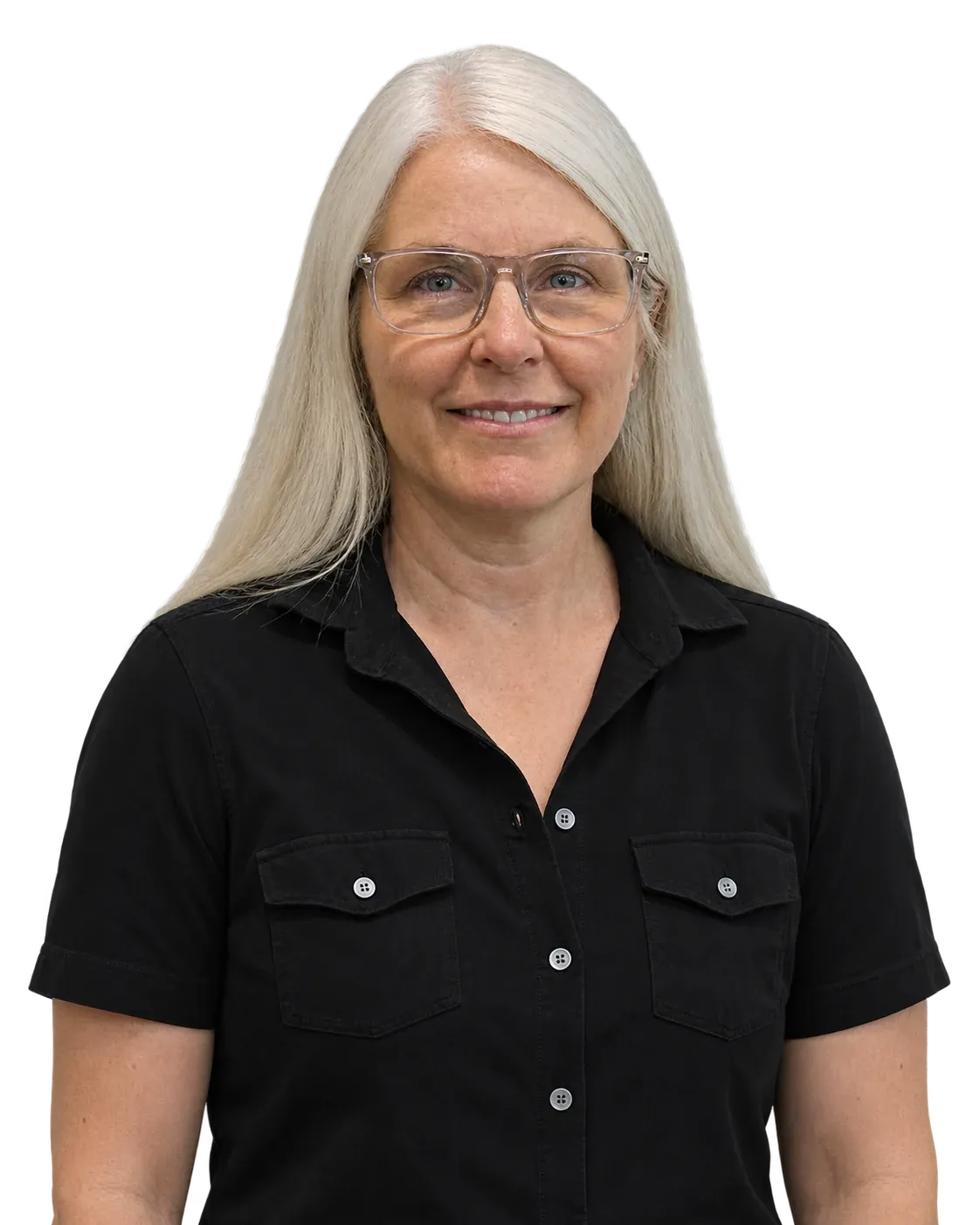
Angie Johnson
MFTi · Marriage and Family Therapist Intern
- Draper
- Telehealth in Utah
- Anxiety
- ADHD
- Attachment
-
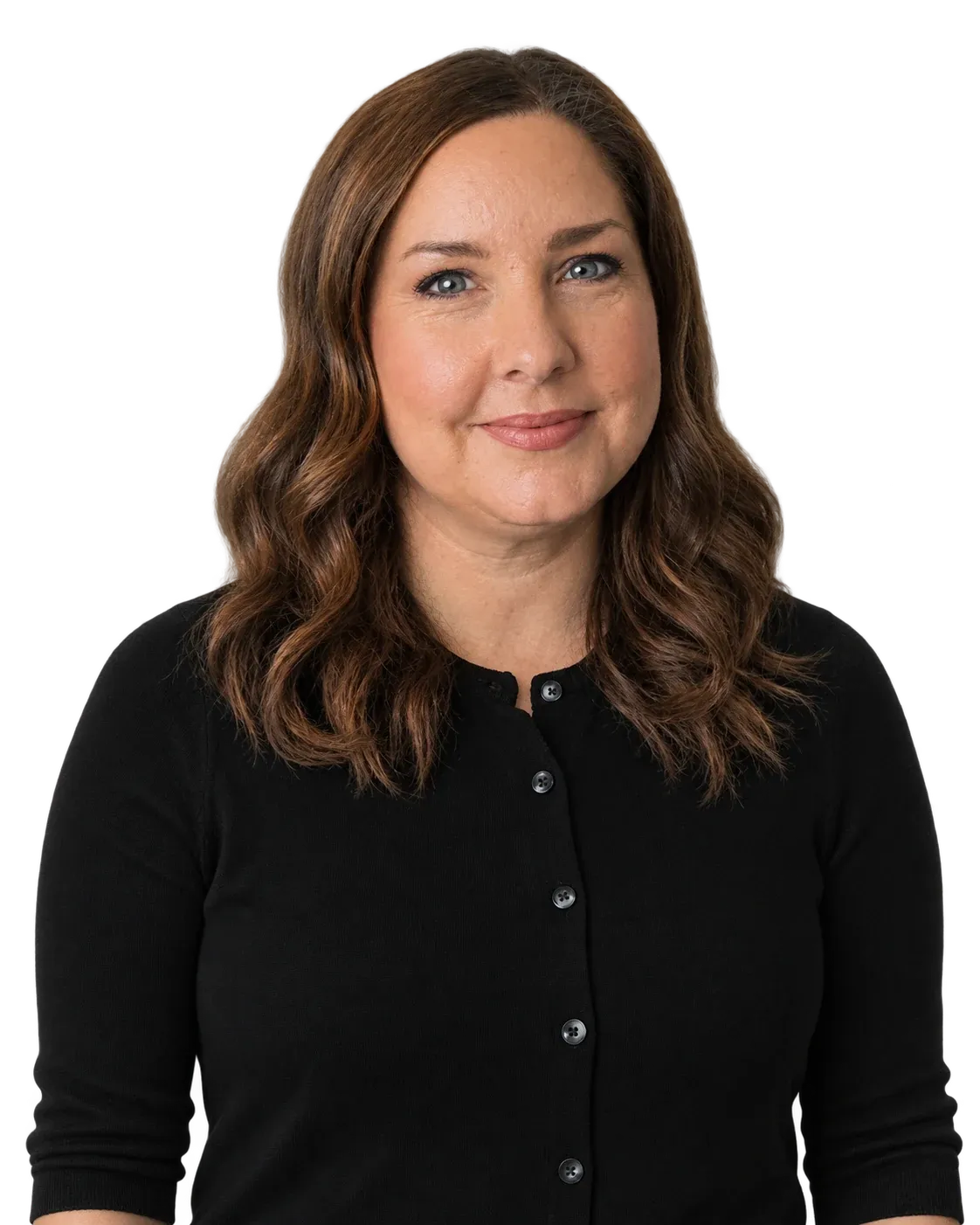
Bethany Monroe
CSW · Certified Social Worker
- Kaysville
- Telehealth in Utah
- Anxiety
- Depression
- Perfectionism
-
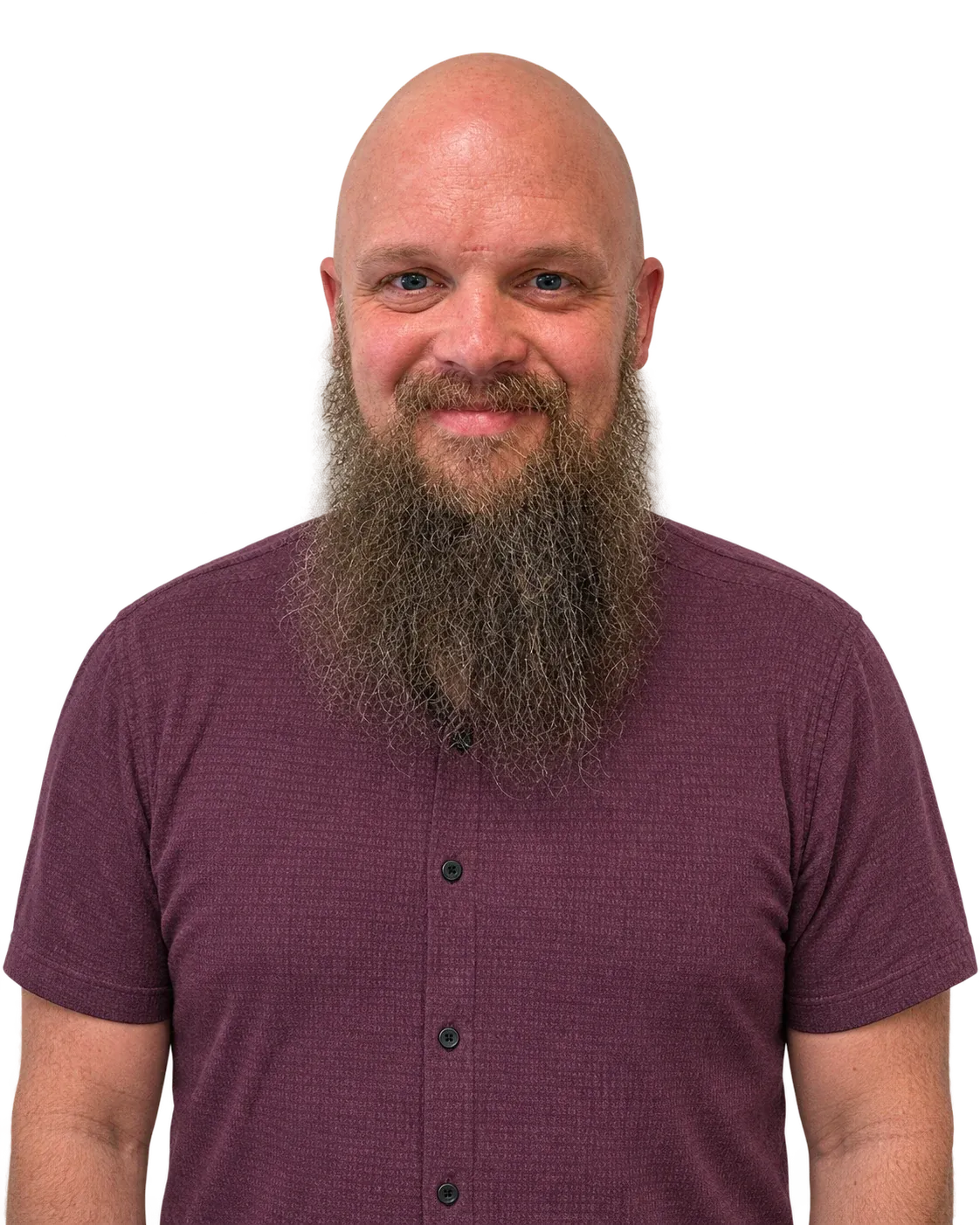
Braiden Hustead
CMHCi · Clinical Mental Health Counselor Intern
- St. George
- Telehealth in Utah
- Anxiety
- ADHD
- Autism & Neurodiversity
-

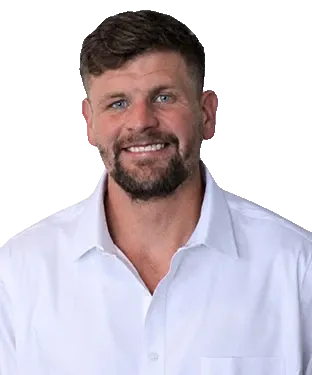
Carey E. Gold
MBA, ACMHC · Associate Clinical Mental Health Counselor
- St. George & South Ogden
- Telehealth in Utah
- Addictions
- Anxiety
- Career transitions
-

Carlee Wallace
LMFT · Licensed Marriage and Family Therapist
- Telehealth only
- Abuse recovery
- Addictions
- Anxiety
Trauma and PTSD therapy near you
Meet in person at one of our offices in Kaysville, South Ogden, Draper, St. George, or Cedar City, or by secure video from anywhere in Utah. Some people feel safer starting from home.
-
Kaysville
498 N Kays Dr, Suite 210
(801) 738-4653
Kaysville, UT 84037 -
South Ogden
5730 S 1475 E, Suite 101
(801) 738-4653
South Ogden, UT 84403 -
Draper
121 W Election Rd, Suite 110
(801) 738-4653
Draper, UT 84020 -
St. George
1173 S 250 W, Building 2, Suite 501
(435) 599-8003
St. George, UT 84770 -
Cedar City
427 S Main St, Suite 302
(435) 599-8003
Cedar City, UT 84720 -
Telehealth
Secure video sessions anywhere in Utah.
Does insurance cover trauma therapy?
Many health plans cover therapy for trauma and PTSD as an outpatient mental health benefit, but coverage depends on your plan and your therapist. Our team can help you check your benefits before your first session.
What to ask your insurer
- Do I have outpatient mental health benefits, and is this therapist in-network?
- What's my copay or coinsurance, and have I met my deductible?
- Are telehealth sessions covered the same way as in-person visits?
- Do I need a referral or pre-authorization first?
Trauma and PTSD questions
Have a question that isn't here? Call or text us at
(801) 738-4653 in Northern Utah or (435) 599-8003 in Southern Utah.
What is trauma therapy?
Trauma therapy is counseling focused on healing the effects of painful or frightening experiences. It starts with safety and coping skills, then uses a trauma-focused approach, like EMDR, ART, or trauma-focused CBT, to help memories lose their power, at a pace you choose.
How do I know if I have PTSD?
PTSD involves intrusive memories or nightmares, avoiding reminders, negative changes in mood or beliefs, and feeling on edge, lasting more than a month and getting in the way of daily life. Only a professional can diagnose it, but you don't need a diagnosis to start therapy.
Do I have to talk about every detail of what happened?
No. You decide what to share and when. Some approaches, including EMDR and ART, don't require you to describe every detail out loud. Your therapist will go at your pace.
What is the best therapy for PTSD?
Several trauma-focused therapies are well supported by research, including EMDR and trauma-focused cognitive behavioral approaches. The best one is the one that fits you, delivered by a therapist you trust. Our scheduling team can help match you with a clinician who uses the approach you are interested in.
What's the difference between EMDR and ART?
Can therapy help with childhood trauma I experienced years ago?
Yes. It's never too late to work through childhood trauma. Many adults find that patterns they've struggled with for years, in relationships, self-worth, or anxiety, start to shift once the underlying experiences are addressed.
Do you offer trauma therapy for children and teens?
Some of our therapists work with children and teens who have been through trauma, often involving parents or caregivers. Learn about child and adolescent therapy.
How long does trauma therapy take?
It depends on the person and the kind of trauma. Some people work through a single event in a relatively short time, while complex or long-term trauma usually takes longer. Your therapist will check in with you about progress along the way.
Where can I find a PTSD therapist near me?
We have offices in Kaysville, South Ogden, Draper, St. George, and Cedar City, and we offer telehealth anywhere in Utah. Find an office, or request an appointment and our scheduling team will help you choose.
Can trauma therapy be done by telehealth?
Yes. Many people do trauma work by secure video, and some feel safer starting from home. Your therapist will help you decide whether in-person, telehealth, or a mix works best for you.
What if I feel unsafe right now?
If you are in danger, call 911. If you are in crisis or thinking about harming yourself, call or text 988 any time. If someone is hurting you at home, the National Domestic Violence Hotline is available 24/7 at 1-800-799-7233.
Keep exploring
Related services
One-on-one support
First Responders, Veterans & Healthcare
For people who serve
Kids, teens, and parents
Related concerns
Worry, panic, stress, and perfectionism
Low mood, seasonal and postpartum depression
Approaches
Eye Movement Desensitization and Reprocessing
Accelerated Resolution Therapy (ART)
Accelerated Resolution Therapy
You can feel safe again
You don't have to explain everything to start. Request an appointment and our scheduling team will help you find a therapist who works with trauma, check availability, and talk through insurance.
Call or text Northern Utah (801) 738-4653 Southern Utah (435) 599-8003