Addiction counseling in Utah
Outpatient therapy for substance use, pornography, and other habits that feel out of control. We help you understand what drives the pattern, build skills to change it, and repair what it has cost, without shame.
- Support for substance use, pornography, and other compulsive behaviors
- Care for partners and families too
- All five Utah offices and telehealth statewide


What is addiction?
Addiction is a pattern of using a substance or repeating a behavior even when it causes harm and you’ve tried to cut back. It’s a treatable health condition, not a moral failure. Therapy helps you understand what the habit does for you, find other ways to cope, and rebuild the parts of life it has affected.
Addictions and compulsive behaviors often start as a way to feel better: to numb stress, escape loneliness, sleep, or quiet painful memories. Over time the relief gets shorter and the costs get bigger. Shame tends to keep the cycle going, which is why therapy starts with understanding rather than judgment.
Gold Counseling provides outpatient therapy: regular sessions while you keep living your life. We don’t provide detox or residential treatment. If stopping a substance could cause dangerous withdrawal, as it can with alcohol, benzodiazepines, or opioids, talk with a doctor first. If you need more support than weekly therapy, your therapist will talk with you about options.
Several of our clinicians list addictions or substance use among their focus areas, and one holds an associate substance use disorder counselor (ASUDC) credential.
Signs a habit is becoming a problem
You don’t have to hit “rock bottom” to get help. These are common signs that a substance or behavior has more control than you want it to:
-
More than you meant to
Using or engaging longer or more often than you planned.
-
Trying to stop, again
Promising yourself to cut back or quit, and finding yourself back in the pattern.
-
Strong urges
Cravings that take over your attention, especially when you’re stressed, bored, or alone.
-
Hiding it
Keeping secrets, deleting history, or feeling dread about being found out.
-
Using to cope
Reaching for it to escape anxiety, sadness, anger, or loneliness.
-
Slipping at work or school
Missed deadlines, lost focus, or trouble keeping up with responsibilities.
-
Strained relationships
Broken trust, arguments, or pulling away from people you love.
-
Losing what you enjoyed
Giving up hobbies, faith, friends, or activities that used to matter.
-
Risky situations
Driving impaired, legal or financial trouble, or other risks you wouldn’t normally take.

Alcohol and substance use
Substance use exists on a spectrum, and help is available wherever you are on it.
Some people come in worried about how much they’ve been drinking. Others are dealing with a long-standing addiction to alcohol, cannabis, prescription drugs, or other substances. Many are also living with anxiety, depression, or trauma, which can drive use and make it harder to stop.
Therapy helps you get clear on your own reasons for change, plan for high-risk situations, handle cravings, and rebuild routines and relationships. Setbacks are common in recovery. They’re information, not failure.
- Understanding your triggers and patterns
- Coping with cravings and urges
- Treating anxiety, depression, or trauma underneath
- Planning for stress, holidays, and social settings
- Rebuilding trust and routines
- Support for teens and families
Compulsive pornography use
If pornography use feels out of control, you’re not alone, and you don’t have to face it with shame.
Many people call it pornography addiction. Clinicians may describe it as compulsive sexual behavior, and the World Health Organization recognizes compulsive sexual behavior disorder in its international classification of diseases (ICD-11). Whatever you call it, it can bring isolation, secrecy, anxiety, and strain on relationships.
Therapy looks at what the behavior does for you, such as relief from stress, loneliness, or difficult emotions, and helps you build other ways to meet those needs. For people of faith, distress about pornography is often tied to values and shame. Your therapist will help you sort through both, respectfully, and set goals that fit your values. You may also find our page on faith and spirituality helpful.
Shame is the fuel that keeps this cycle going. Honest, judgment-free support is often what finally breaks it. Our team has also written about men’s mental health and the pressure to be fine.

Support for partners and families
Addiction affects everyone close to it. Partners and family members deserve support of their own.
Discovering a partner’s hidden substance use or pornography use can feel like a betrayal and shake your sense of reality and safety. You can get individual support for your own hurt, whether or not your partner is in therapy.
When both partners are ready, couples therapy can help you rebuild trust, communicate honestly, and decide together what comes next. Parents of teens who are using can also get guidance on how to respond, set limits, and stay connected.
What to expect
Reaching out is often the hardest part. Here’s how it usually works.
-
Step 1: Reach out
Request an appointment, or call or text us. You don’t have to share every detail to get started.
-
Step 2: Find the right fit
Our scheduling team suggests therapists who list addictions or substance use among their focus areas and fit your schedule and insurance.
-
Step 3: Get clear on goals
Early sessions focus on your history, what you want to change, and what safety looks like. You set the goals together.
-
Step 4: Build a new pattern
You practice skills for urges and stress, work on what’s underneath, and repair relationships as you go.
Not sure where to start? Call or text (801) 738-4653 in Northern Utah or (435) 599-8003 in Southern Utah and we'll talk it through.
How therapy can help
Your therapist tailors research-informed approaches to you. These may include:
-
Motivational Interviewing (MI)
Uses collaborative conversation to explore mixed feelings about change and strengthen your own reasons and confidence to move forward.
-
Cognitive Behavioral Therapy (CBT)
Helps you spot the thoughts and situations that lead to use, and practice new ways of responding.
-
Dialectical Behavior Therapy (DBT)
Skills for riding out urges, tolerating distress, and managing emotions without turning to the habit.
-
Acceptance and Commitment Therapy (ACT)
Helps you make room for cravings and hard feelings while acting on what matters most to you.
-
EMDR
Can help when painful memories drive the urge to escape, by reducing their emotional charge.
-
Emotionally Focused Therapy (EFT)
Helps couples understand the emotional patterns between them and rebuild connection and trust.
Does addiction treatment work?
Yes. Addiction is treatable, and behavioral therapies are among the most commonly used and effective forms of treatment. Like other chronic health conditions, recovery can include setbacks, and staying in care makes a difference.1
Motivational interviewing, one of the approaches our team uses, has been shown across many studies to help people make changes in substance use and other health behaviors.2
- 1. National Institute on Drug Abuse. (2018). Principles of drug addiction treatment: A research-based guide (3rd ed.).
- 2. Lundahl, B. W., Kunz, C., Brownell, C., Tollefson, D., & Burke, B. L. (2010). A meta-analysis of motivational interviewing: Twenty-five years of empirical studies. Research on Social Work Practice, 20(2), 137–160.
What progress can look like
- Longer stretches without using or acting out
- Urges that pass without taking over
- Less shame and secrecy
- Honest, rebuilt relationships
- Healthier ways to handle stress
Therapists who work with addiction
These clinicians list addictions or substance use among their focus areas, at all five offices and by telehealth. Our scheduling team can help you find the right fit.
-
-

Alex Russell
CMHC · Clinical Mental Health Counselor
- Cedar City
- Telehealth in Utah
- Anxiety
- OCD
- Trauma and attachment
-

Alex Sotelo
CMHCi · Clinical Mental Health Counselor Intern
- Draper
- Telehealth in Utah
- Addictions
- Anxiety
- Depression
-
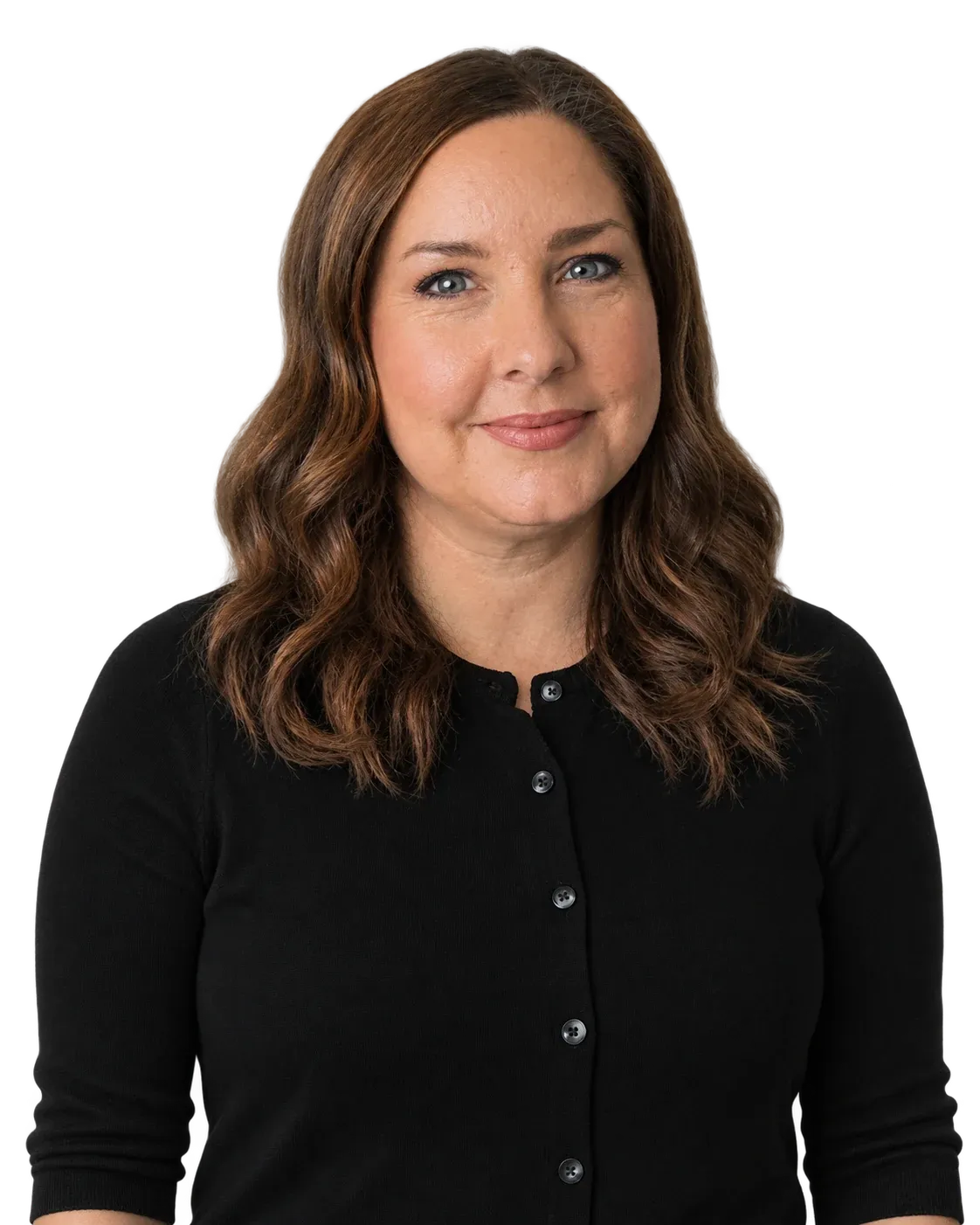
Bethany Monroe
CSW · Certified Social Worker
- Kaysville
- Telehealth in Utah
- Anxiety
- Depression
- Perfectionism
-

Carey E. Gold
MBA, ACMHC · Associate Clinical Mental Health Counselor
- St. George & South Ogden
- Telehealth in Utah
- Addictions
- Anxiety
- Career transitions
-
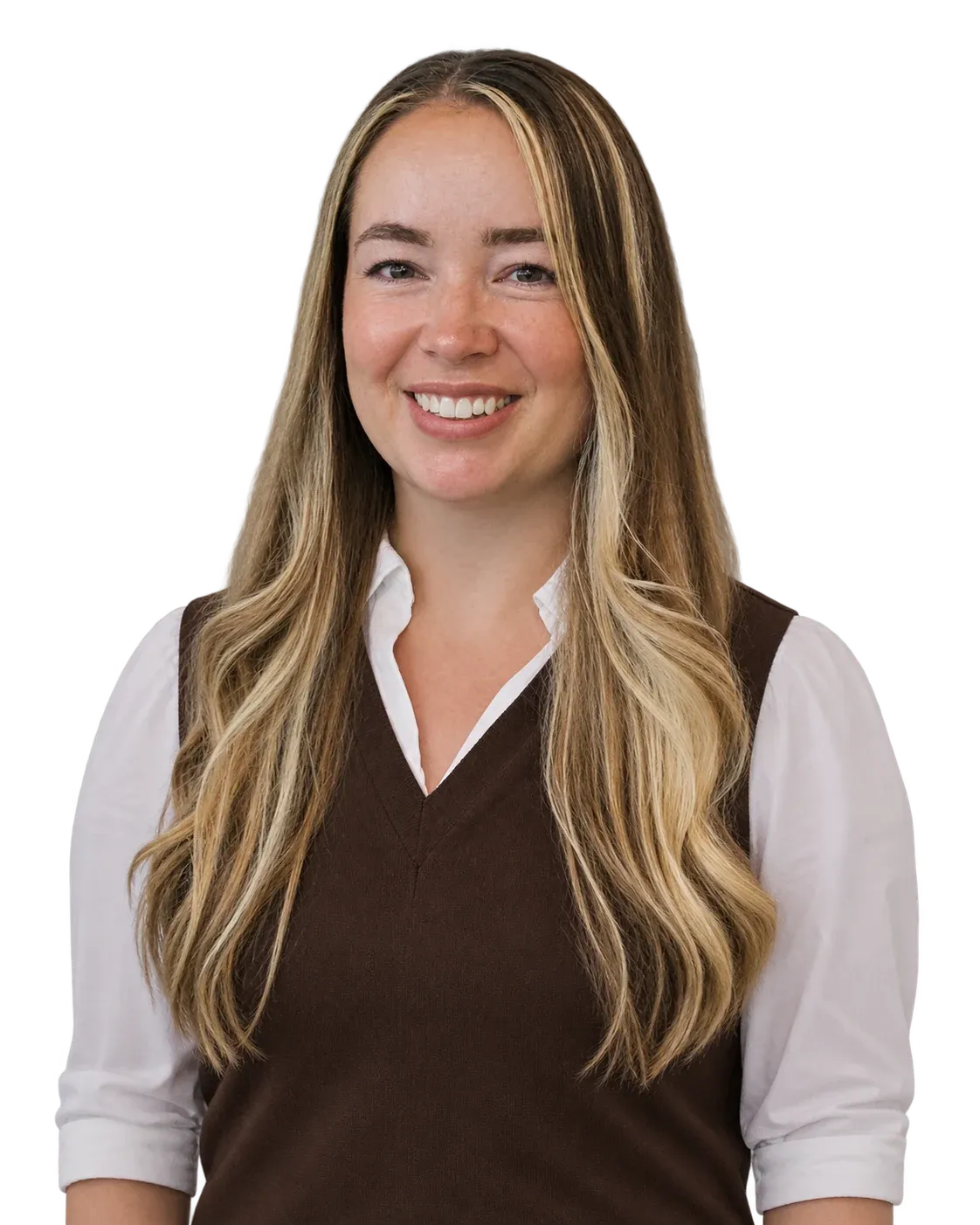
Carlee Wallace
LMFT · Licensed Marriage and Family Therapist
- Telehealth only
- Abuse recovery
- Addictions
- Anxiety
-
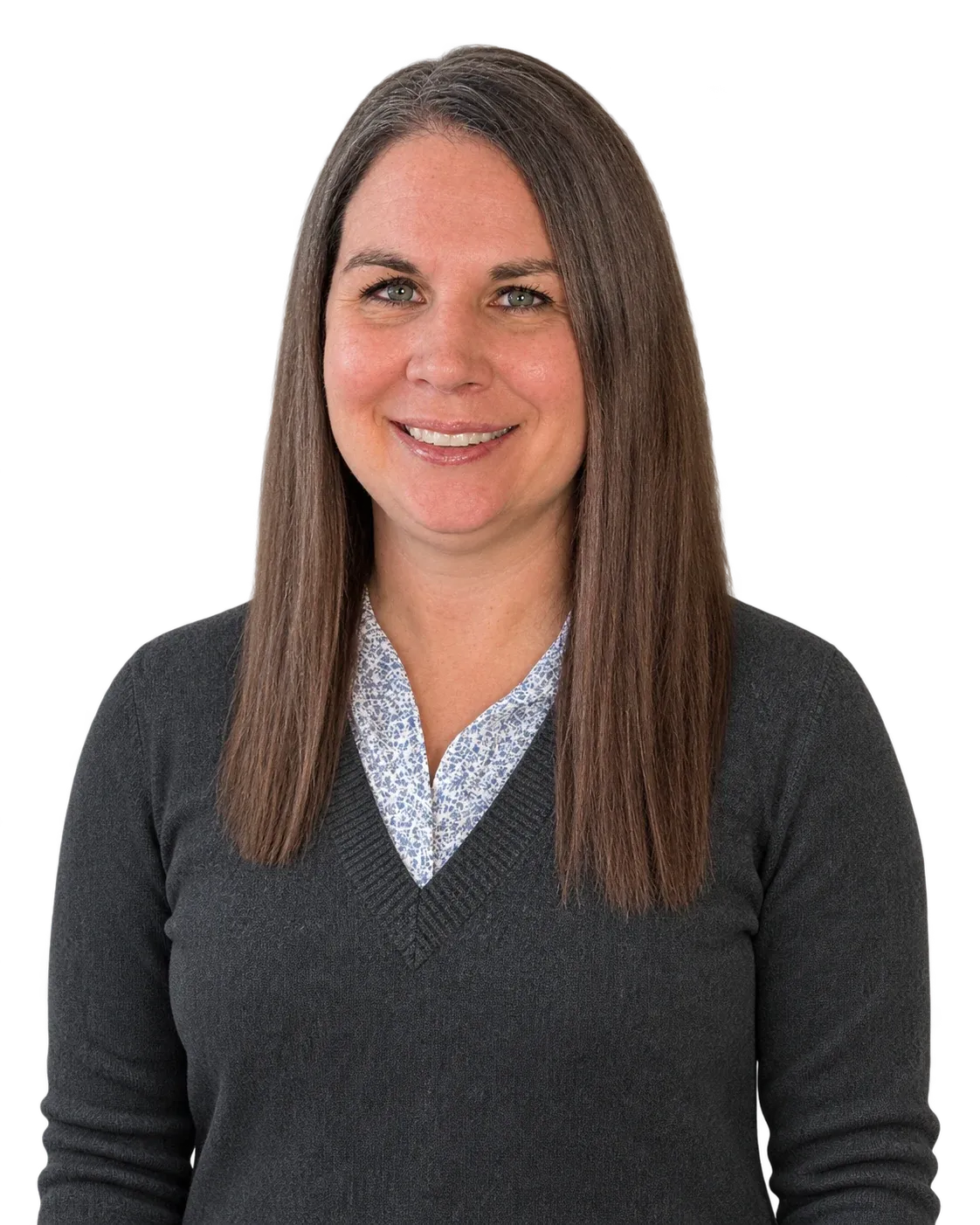
-

Debra Tomlinson
CSW · Certified Social Worker
- St. George
- Telehealth in Utah
- Addictions
- Anxiety
- Depression
Addiction counseling near you
Clinicians who list addictions or substance use see clients at all five of our Utah offices, and by secure video anywhere in Utah.
-
Kaysville
498 N Kays Dr, Suite 210
(801) 738-4653
Kaysville, UT 84037 -
South Ogden
5730 S 1475 E, Suite 101
(801) 738-4653
South Ogden, UT 84403 -
Draper
121 W Election Rd, Suite 110
(801) 738-4653
Draper, UT 84020 -
St. George
1173 S 250 W, Building 2, Suite 501
(435) 599-8003
St. George, UT 84770 -
Cedar City
427 S Main St, Suite 302
(435) 599-8003
Cedar City, UT 84720 -
Telehealth
Secure video sessions anywhere in Utah.
Does insurance cover addiction counseling?
Many health plans cover outpatient counseling for substance use and related concerns, but coverage depends on your plan and your therapist. Our team can help you check your benefits before your first session.
What to ask your insurer
- Do I have outpatient mental health or substance use benefits, and is this therapist in-network?
- What's my copay or coinsurance, and have I met my deductible?
- Are telehealth sessions covered the same way as in-person visits?
- Is couples therapy covered if my partner and I come together?
Addiction questions
Have a question that isn't here? Call or text us at
(801) 738-4653 in Northern Utah or (435) 599-8003 in Southern Utah.
Do you offer detox or rehab?
No. Gold Counseling provides outpatient therapy. If you need medical detox or a residential or intensive program, talk with your doctor, and your therapist can help you think through when a higher level of care makes sense.
Is pornography addiction real?
Pornography use can become compulsive and cause real distress and harm. The World Health Organization recognizes compulsive sexual behavior disorder. Whatever words you use, if it feels out of control, therapy can help.
Will I be judged?
No. Your therapist’s job is to understand what’s driving the pattern, not to shame you. Honest, judgment-free conversations are what make change possible.
Do I have to quit completely?
Your goals are set together with your therapist. Some people aim to stop entirely; others start by cutting back. Your therapist will also be honest with you about safety, especially with alcohol or drugs.
My partner has an addiction. Can I get help for myself?
Yes. Partners and family members often need support of their own, especially after discovering hidden use or betrayal. You can start individual therapy whether or not your partner does.
Do you work with teens who are using substances?
Some of our clinicians who list addiction or substance use also work with teens. Parents can get guidance too. Our scheduling team will help you find the right fit.
What if I relapse?
Setbacks are common and don’t erase your progress. Your therapist will help you understand what happened and adjust your plan.
Can I do addiction counseling by telehealth?
Yes. We offer secure video sessions anywhere in Utah. How telehealth works.
Is there free help available right now?
Yes. The SAMHSA National Helpline, 1-800-662-4357, is free, confidential, and open 24/7 for treatment referrals and information. In a crisis, call or text 988. In an emergency, call 911.
Keep exploring
Related services
One-on-one support
Communication and connection
Therapist-led groups
Related concerns
Faith, religious concerns, and faith transitions
Difficult experiences that still feel present
Approaches
Every method our team uses
Take back control
You don’t need to have it all figured out to start. Request an appointment and our scheduling team will help you find a therapist, check availability, and talk through insurance.
Call or text Northern Utah (801) 738-4653 Southern Utah (435) 599-8003