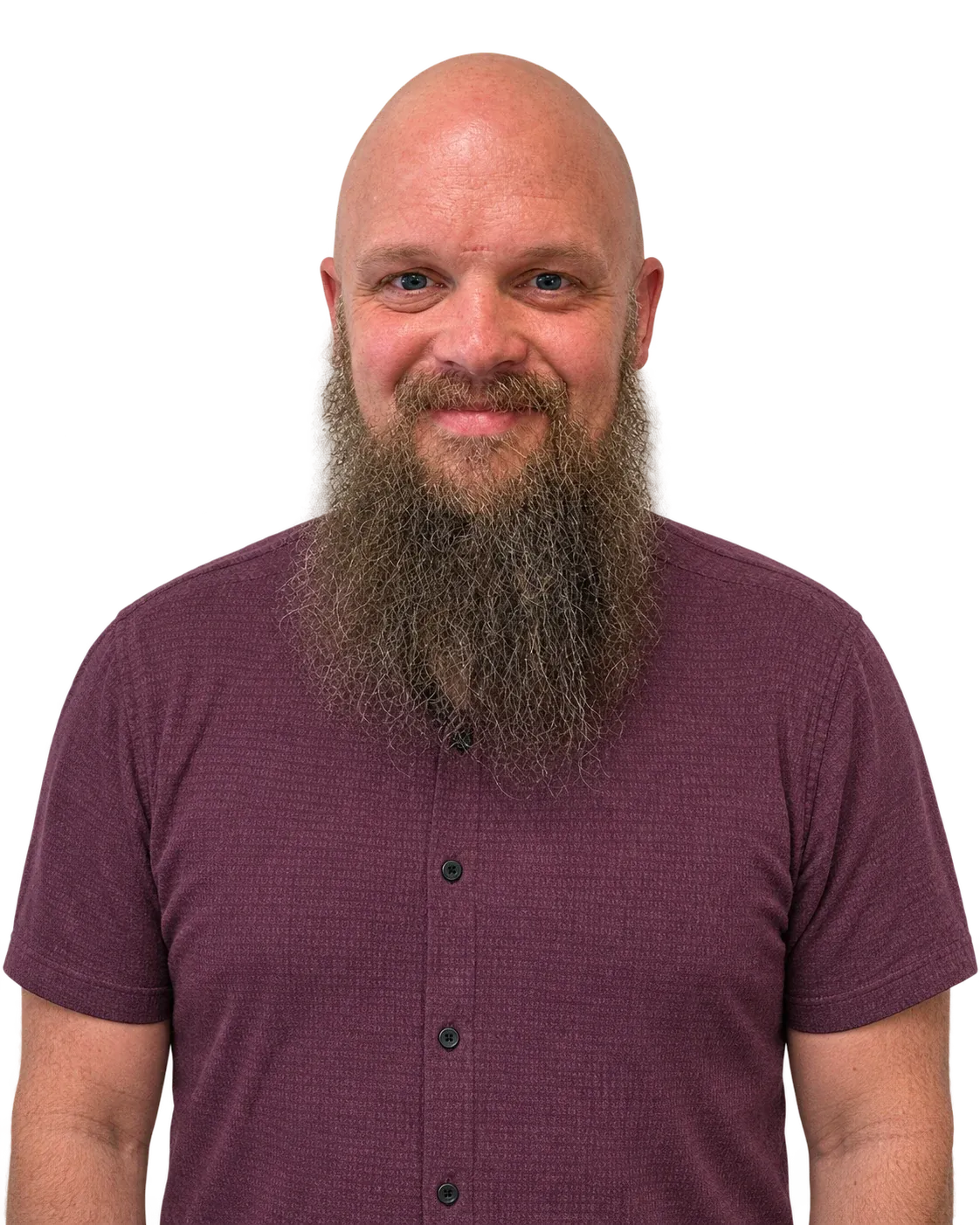
Braiden Hustead
CMHCi · Clinical Mental Health Counselor Intern
- St. George
- Telehealth in Utah
- Anxiety
- ADHD
- Autism & Neurodiversity

Support that recognizes the way you think, process, and move through the world. We work with autistic and other neurodivergent people, and the partners and families who love them, without trying to make anyone less themselves.

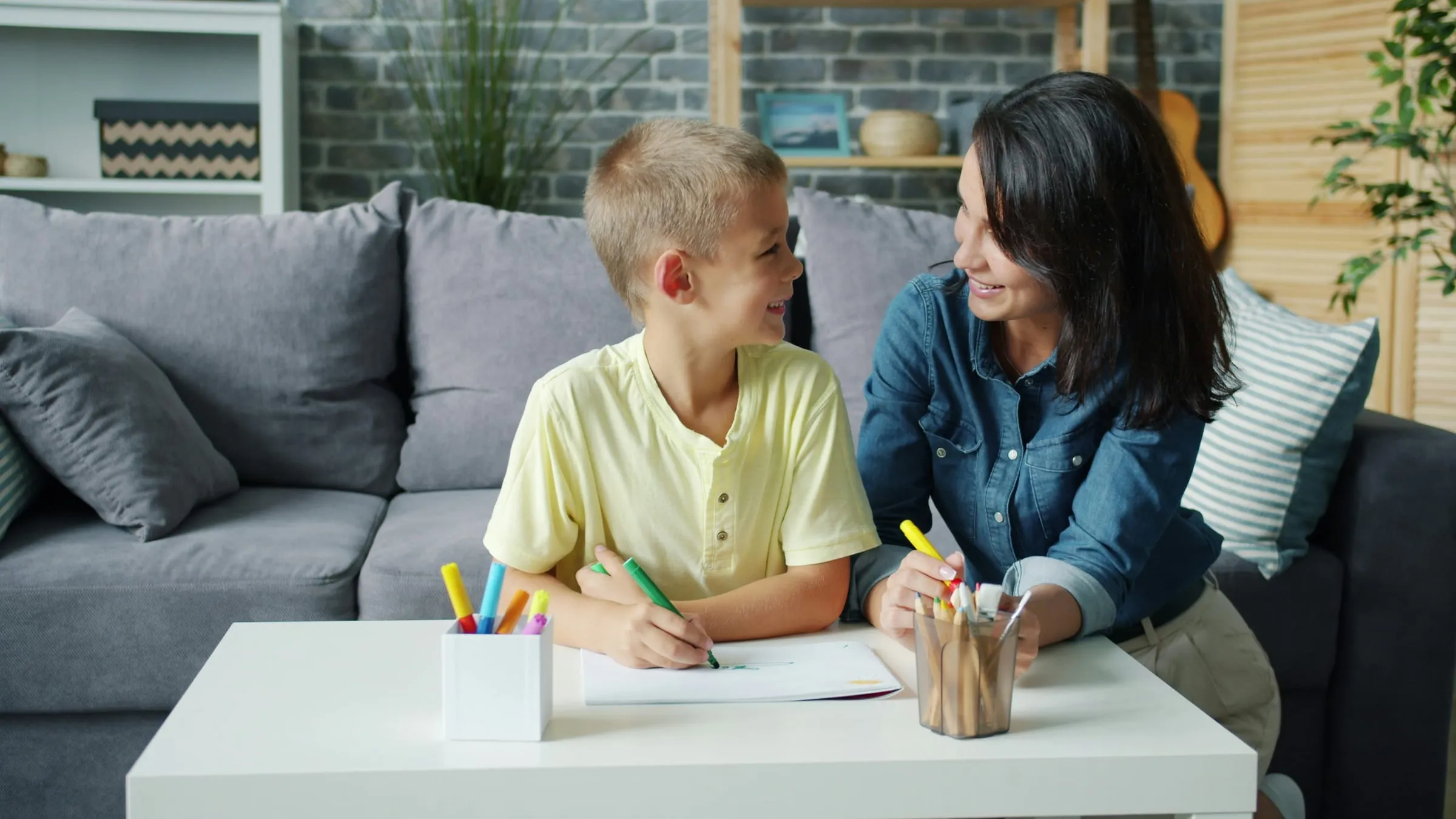
Neurodivergent describes people whose brains work differently from what is considered typical, including autistic people and people with ADHD, dyslexia, or Tourette syndrome. Neurodiversity-affirming therapy treats those differences as part of who you are, not something to fix, and focuses on what makes life harder and what helps.
Much of the world isn’t designed with neurodivergent people in mind. Loud classrooms, unwritten social rules, constant change, and pressure to “act normal” can wear anyone down. Autism itself isn’t a mental illness, but autistic people experience anxiety and depression at much higher rates, often because of that daily strain.
Therapy can be a place where you don’t have to mask. Your therapist starts from your strengths and interests, learns how you communicate best, and works with you on the things you want to change, like overwhelm, burnout, relationships, or getting through transitions.
Our therapists provide counseling. They don’t do autism evaluations, and you don’t need a formal diagnosis to start. Many people come in self-identified, newly diagnosed, or simply wondering. We’ll follow your lead on language, whether you prefer “autistic person,” “person with autism,” or something else.
Worry about social situations, change, or getting things wrong, and feeling on edge much of the time.
Running on empty after long stretches of pushing through, masking, or meeting other people’s expectations.
Noise, light, textures, or crowds that leave you drained or on edge.
Feelings that build fast and are hard to name or bring back down.
Wanting connection but finding friendships, dating, or work relationships confusing or exhausting.
New schools, jobs, moves, or growing into adulthood when routines matter a lot.
Tantrums or aggression, siblings who feel overlooked, and parents who are worn out.
Partners who love each other but communicate or recharge in very different ways.
Understanding a new or late diagnosis, or wondering whether you might be neurodivergent.

Your therapist works with your strengths and interests, not around them. Sessions can be more direct or more structured, include written notes or visuals, or build in movement and breaks, depending on what helps you think and talk.
The goal isn’t to train away who you are. It’s to reduce suffering: less anxiety and burnout, more self-understanding, clearer ways to ask for what you need, and relationships where you can be yourself.

Parents may be managing meltdowns in public, aggression toward siblings, school calls, and their own exhaustion, while siblings sometimes feel forgotten. Family sessions help everyone understand what’s happening underneath behavior and find routines and responses that work for your family.
Couples where one or both partners are neurodivergent often love each other deeply but get stuck in the same misunderstandings: different ways of showing care, needing time alone to recharge, or reading tone differently. Couples therapy helps you translate between your different wiring and build a relationship that fits both of you.
Your child’s therapist helps them name feelings, cope with overwhelm, and build confidence, often using play, games, or their favorite interests to connect. Parents get support too, including ideas for home and for working with school.
For teens, therapy can be a place to sort out identity, friendships, and independence, and to plan for the move into adulthood. ADHD often comes along with autism. Learn more about ADHD.
Request an appointment, or call or text us. You can tell us about any communication or sensory needs that will help the first visit go well.
Our scheduling team suggests a therapist who lists neurodivergence among their focus areas and fits your schedule, location, and insurance.
Early sessions focus on your strengths, what’s been hard, and how you like to communicate. Families decide together who attends.
You work on goals you choose and try small changes between sessions, adjusting as you learn what works.
Not sure where to start? Call or text (801) 738-4653 in Northern Utah or (435) 599-8003 in Southern Utah and we'll talk it through.
Concrete, structured tools for anxiety and worry, adjusted to be more visual, direct, or hands-on as needed.
Skills for managing strong emotions, tolerating distress, and asking for what you need.
Helps you make room for hard feelings and take steps guided by what matters to you.
Looks at how family members influence and respond to one another, to build more supportive patterns.
Uses play to help younger children express feelings and practice coping and relationship skills.
Brings games, stories, and characters into counseling to build connection and explore emotions, coping, and relationships.
Anxiety and depression are common among autistic adults. A large review found rates far higher than in the general population, which is one reason support matters.1
Therapy can help, especially when it’s adapted. In a clinical trial, cognitive behavioral therapy adapted for autistic children reduced anxiety more than usual care.2 The best fit is a therapist who understands neurodivergence and adapts to you.
CMHCi · Clinical Mental Health Counselor Intern
MSWi · Social Work Intern

MSWi · Social Work Intern
498 N Kays Dr, Suite 210
Kaysville, UT 84037
5730 S 1475 E, Suite 101
South Ogden, UT 84403
121 W Election Rd, Suite 110
Draper, UT 84020
1173 S 250 W, Building 2, Suite 501
St. George, UT 84770
427 S Main St, Suite 302
Cedar City, UT 84720
Secure video sessions anywhere in Utah.
Our therapists provide counseling. Autism evaluations are usually done by psychologists, developmental pediatricians, or other specialists, so ask your doctor about a referral if you’re looking for one. You can start therapy at any point, whether or not you have a diagnosis.
No. Many people come in self-identified, newly diagnosed, or just wondering. Your therapist will start with what you’re experiencing and what you want help with.
Our therapists provide counseling. Applied behavior analysis (ABA), speech therapy, and occupational therapy are provided by other specialists, and counseling can work alongside them.
Yes. Braiden Hustead, CMHCi, sees clients at our St. George office and lists autism and neurodiversity as a focus area. Telehealth is also available anywhere in Utah.
Both. Some of our clinicians who list this focus work with children, and others with teens and adults. Our scheduling team will help you find the right fit for the person who needs support.
Yes. Couples therapy can help partners understand different ways of communicating, showing care, and recharging. Learn more about couples and marriage therapy.
Often, yes. Some families start with parent sessions to talk through what’s happening at home before a child joins. Your therapist will help you decide what makes sense.
No. The goal is to reduce distress and build skills your child wants and needs, not to erase who they are. Your child’s therapist will work with their strengths and interests.
For many people, yes. Being at home can make sessions easier on the senses and on schedules. We offer secure video sessions anywhere in Utah. How telehealth works.
Kids, teens, and parents
Understanding each other
Communication and connection
Attention, focus, and follow-through
Worry, panic, stress, and perfectionism
Every method our team uses
Tell us a little about what you or your family needs. Our scheduling team will help you find a therapist, check availability, and talk through insurance.
Call or text Northern Utah (801) 738-4653 Southern Utah (435) 599-8003